100 Space Trivia Questions That’ll Make You Rethink What You Learned in School
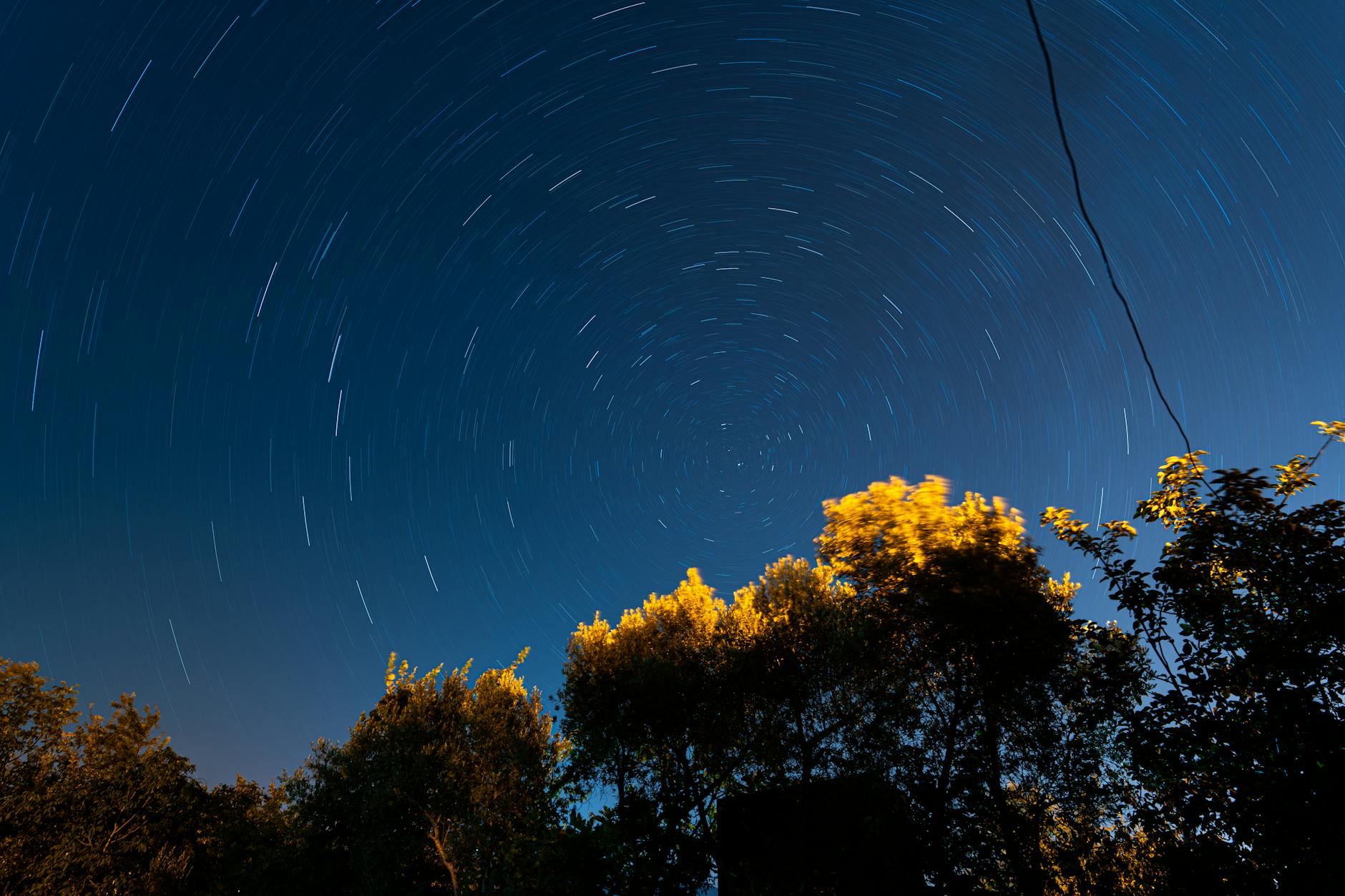
Most people think they know space until someone asks them what color a sunset is on Mars. 100 questions that separate the curious from the confident.

A blue whale’s heart is roughly the size of a golf cart, and I’ve watched an entire bar go silent processing that sentence. Animal trivia does something no other category can. People walk in with a lifetime of half-remembered nature documentaries, zoo trips, and that one friend who won’t stop talking about octopuses, and they genuinely believe they’re prepared. They are not. The natural world is weirder than anyone remembers, and the questions that land hardest are the ones where the wrong answer feels so obviously right that people will argue with you after you’ve shown them the source.
I’ve run these questions in rooms full of biology teachers, rooms full of kids, and rooms full of people three beers deep on a Tuesday. The reactions are shockingly similar. Here are 40 animal trivia questions that have been tested on real humans and found to be reliably devastating.
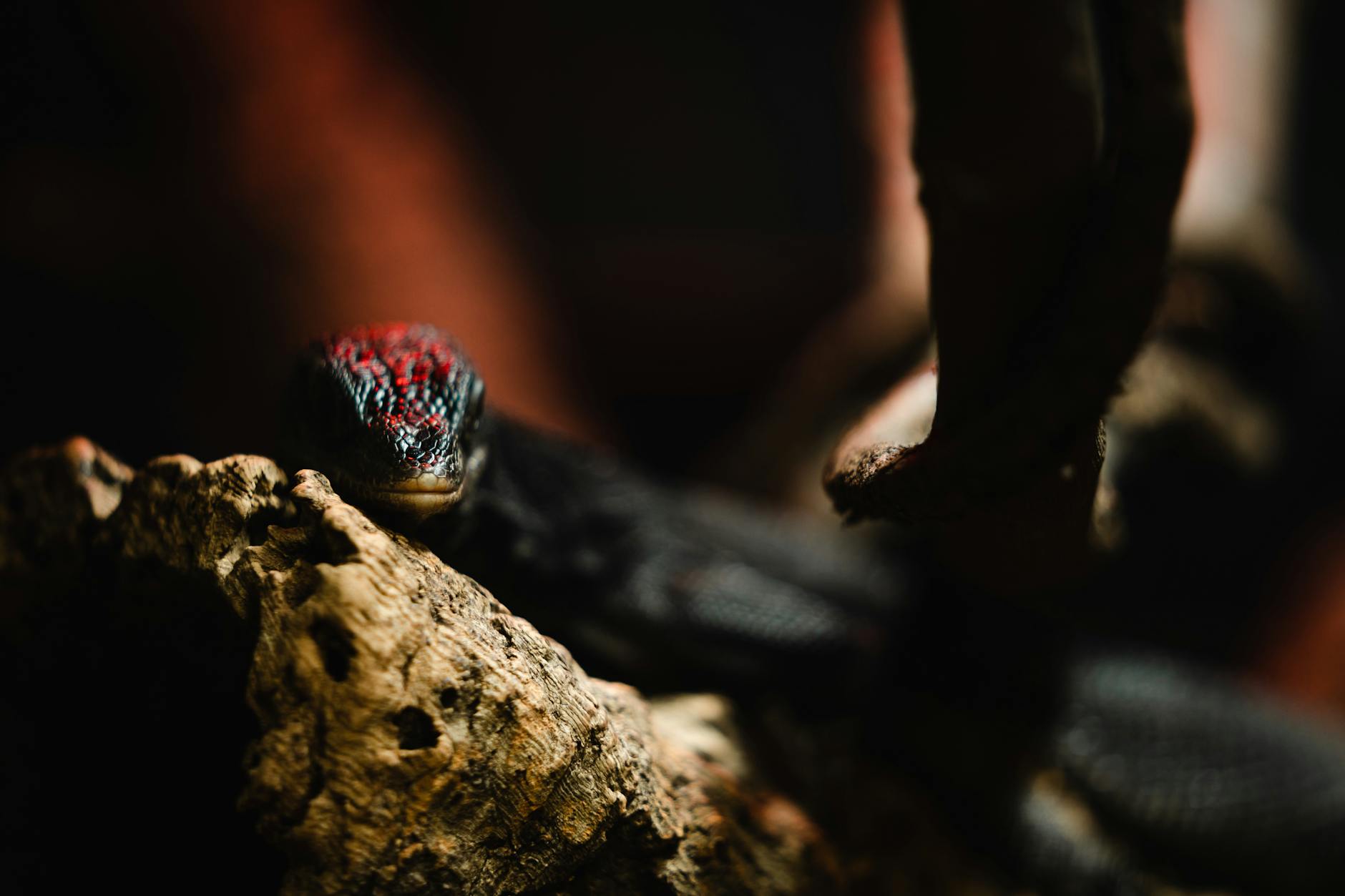
1. What is the largest living species of lizard?
This one’s a warm-up, and it should be. But I’ve seen people hesitate, suddenly unsure whether a crocodile counts as a lizard. It doesn’t. That moment of doubt is the whole point of starting here.
2. How many hearts does an octopus have?
Everyone’s octopus friend has told them this one. The real test is whether they remember the number or just remember being told.
3. What animal is known as the “ship of the desert”?
I include this one early because it lets people feel good. You need that in a set. A room that gets crushed from the start stops trying.
4. What is a group of flamingos called?
Collective nouns for animals are one of those categories where the English language was clearly having fun. This one’s my favorite because the answer sounds made up.
5. Which mammal can truly fly, not just glide?
The key word is “truly.” Flying squirrels glide. Sugar gliders glide. Only one mammal has powered flight, and most people get this right. But the ones who say “flying squirrel” with total confidence? Those are the moments I live for.
6. What color is a polar bear’s skin underneath its white fur?
This is the first question in the set where I watch people’s faces change. They commit to an answer instantly, and about half the room commits to the wrong one.
7. Which animal has the longest gestation period of any mammal?
People’s brains go straight to the biggest animal they can think of. That instinct is almost right.
8. What is the fastest land animal over a short distance?
Everyone knows this. I ask it because the next question needs it.
9. Now: what land animal would beat a cheetah in a marathon?
This is where the cheetah question pays off. The room splits hard. Some say horse, some say wolf, some say something wild like an ostrich. The real answer is humbling in a way I find deeply satisfying.
10. A rhinoceros’s horn is made of the same protein as what part of the human body?
I love this question because it makes people touch their own hair or look at their fingernails, trying to figure out which one feels more like a rhino horn.
11. What is the only continent where lemurs are found in the wild?
If someone says “Africa” I give them a look, because they’re technically on the right track but specifically wrong.
12. How many stomachs does a cow have?
This is a trick question disguised as a simple one. The technically correct answer starts arguments, and I’m here for every one of them.
13. Is a penguin a bird?
I ask this with a straight face and watch the doubt ripple through the room. The hesitation is the point. Everyone knows the answer, but the question is phrased so simply that people assume there’s a catch.
14. What animal kills more humans per year than any other animal , excluding other humans?
This is probably the single most-asked animal trivia question in existence, and it still catches people. Sharks get blamed. Snakes get blamed. The real killer is six millimeters long.
15. What is the national animal of Scotland?
I’ve watched Scottish people get this wrong. That’s all I’ll say before you answer.
16. Can porcupines shoot their quills?
Cartoons have a lot to answer for.
17. What percentage of a group of clownfish can change their sex?
Finding Nemo becomes a very different movie once you know the answer to this question.
18. What color is a hippopotamus’s sweat?
It’s not technically sweat, but the substance they secrete through their skin has a color that sounds like a lie.
19. How long can a snail sleep without waking?
People guess hours. Maybe a day. The real answer makes you wonder what snails are dreaming about.
20. What animal has the highest blood pressure of any living creature?
Think about what body shape would require the most cardiovascular effort. The answer follows from the physics.
21. What is the only bird that can fly backward?
Some people try to argue that other birds can do this. They can, briefly, in specific circumstances. But only one does it routinely, as a normal part of flight.
22. Which sense do butterflies use their feet for?
I’ve seen people mouth the word “what” at this question. It’s a good face.
23. What is the loudest animal on Earth relative to its body size?
Everyone goes big. Whales, elephants, howler monkeys. The answer is something you could hold in your hand.
24. How many bones does a shark have in its body?
This is the kind of question where the simplest possible answer is the right one, and people refuse to believe it.
25. What animal can survive being frozen solid and then thawed?
There are actually several, but the most famous one is sitting in backyards across North America right now.
26. What is the only mammal that’s born with horns?
Most people have never thought about this. The question forces you to run through every horned animal you know and ask: wait, are calves born with horns? Are lambs? The answer is satisfyingly specific.
27. What common household pet cannot taste sweetness?
Think about which pet has never seemed interested in your dessert.
28. What is the most venomous animal in the world , not the most deadly, the most venomous?
The distinction between venomous and deadly matters here. Most venomous means drop-for-drop, the most potent venom. Most deadly means most humans killed. Different lists entirely.
29. What animal’s fingerprints are virtually indistinguishable from human fingerprints, even under a microscope?
I’ve used this question to genuinely unsettle people. The answer has actual forensic implications.
30. What is the only animal other than humans known to ask an existential question?
This one either sounds impossible or sounds like it has to be a primate. It’s not a primate.
31. What’s the only domesticated animal not mentioned in the Bible?
Run through the list in your head. Sheep, goats, cattle, donkeys, horses, dogs… what’s missing?
32. A flea can jump how many times its own body length?
Whatever number you’re thinking, go higher.
33. What percentage of all animal species on Earth are insects?
People know insects are numerous. They don’t know how numerous. The gap between what people guess and the real number is consistently the widest of any question I ask.
34. What animal has been shown to recognize itself in a mirror, passing the “mirror test” , besides great apes?
There are several correct answers. I’ll take any of them. But the one that gets the biggest reaction is the smallest one on the list.
35. What common farm animal was found, in a 2005 study, to be able to recognize up to 50 individual faces and remember them for years?
We eat this animal and barely think about it. That tension is part of why the question lands.
36. What is the only animal whose evidence of existence has been found on every single continent, including Antarctica?
This one requires lateral thinking. The question says “evidence of existence,” not “currently lives there.”
37. What species of animal has been sent to space by the most different countries?
The space race wasn’t just about humans. A surprising number of animals have been launched into orbit by various nations, but one species kept getting the call.
38. What animal produces the most expensive coffee in the world by eating and then excreting coffee beans?
Most people have heard of this coffee. Fewer can name the animal. Even fewer want to think about it too carefully.
39. How many times per second does a hummingbird’s heart beat?
You know it’s fast. You don’t know how fast.
40. There is one species of animal that, as far as science can determine, is biologically immortal. It can age in reverse, returning to its juvenile state after reaching maturity, and theoretically repeat this cycle forever. What is it?
I save this one for last because it does something no other animal trivia question does. It doesn’t just surprise people. It makes them sit with something. Somewhere in the ocean right now, there’s a creature that solved death, and it’s a centimeter long and nobody’s heard of it. Every time I close a night with this question, someone at a table goes quiet for a second. Not because they got it wrong. Because the answer makes them feel something they weren’t expecting to feel at a trivia night.

Most people think they know space until someone asks them what color a sunset is on Mars. 100 questions that separate the curious from the confident.
Most people know aspirin comes from willow bark. Fewer know which blockbuster drug was discovered because a scientist forgot to clean his petri dish. These 30 drug trivia questions live in that gap between what you think you know and what actually happened.
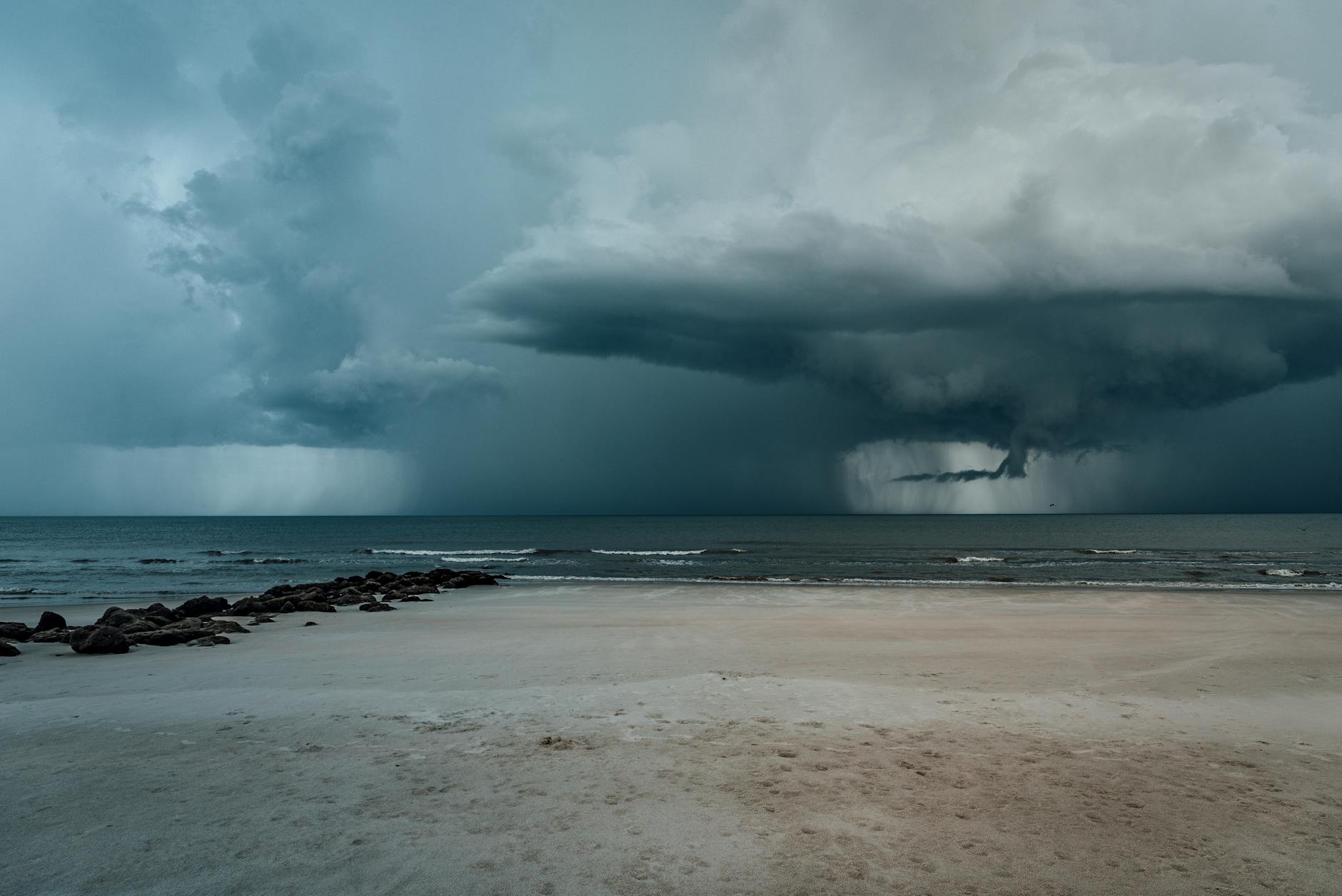
Most people are confidently wrong about at least a dozen things the sky does. These 50 weather trivia questions are built to find every one of those blind spots.
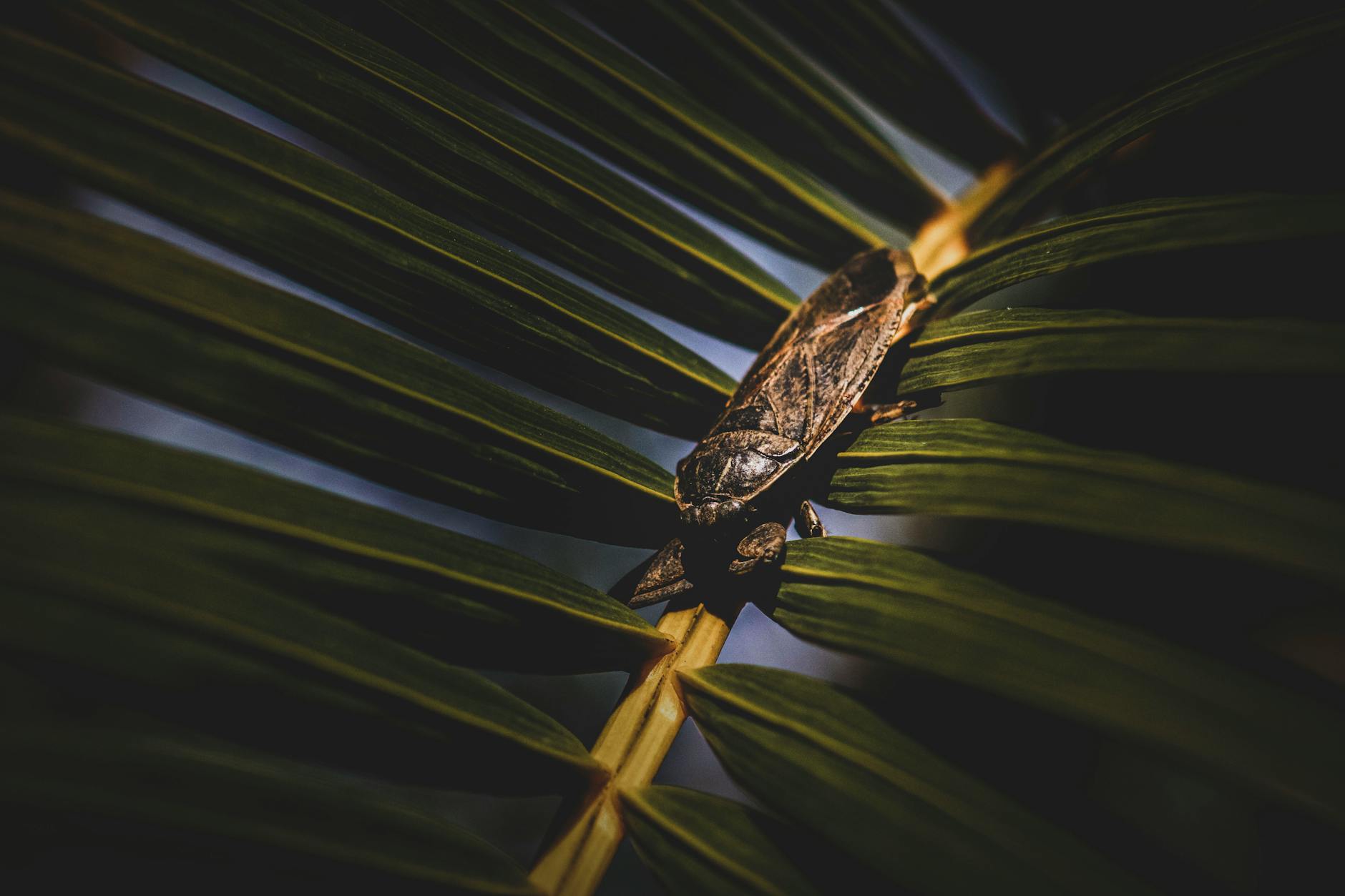
Most people think they know insects well enough. Then you ask them how many legs a caterpillar has, and the room falls apart.