75 Black History Trivia Questions That’ll Start Arguments at the Table
Most people know the same twelve facts about Black history. These 75 questions start there and then go somewhere you weren't expecting.
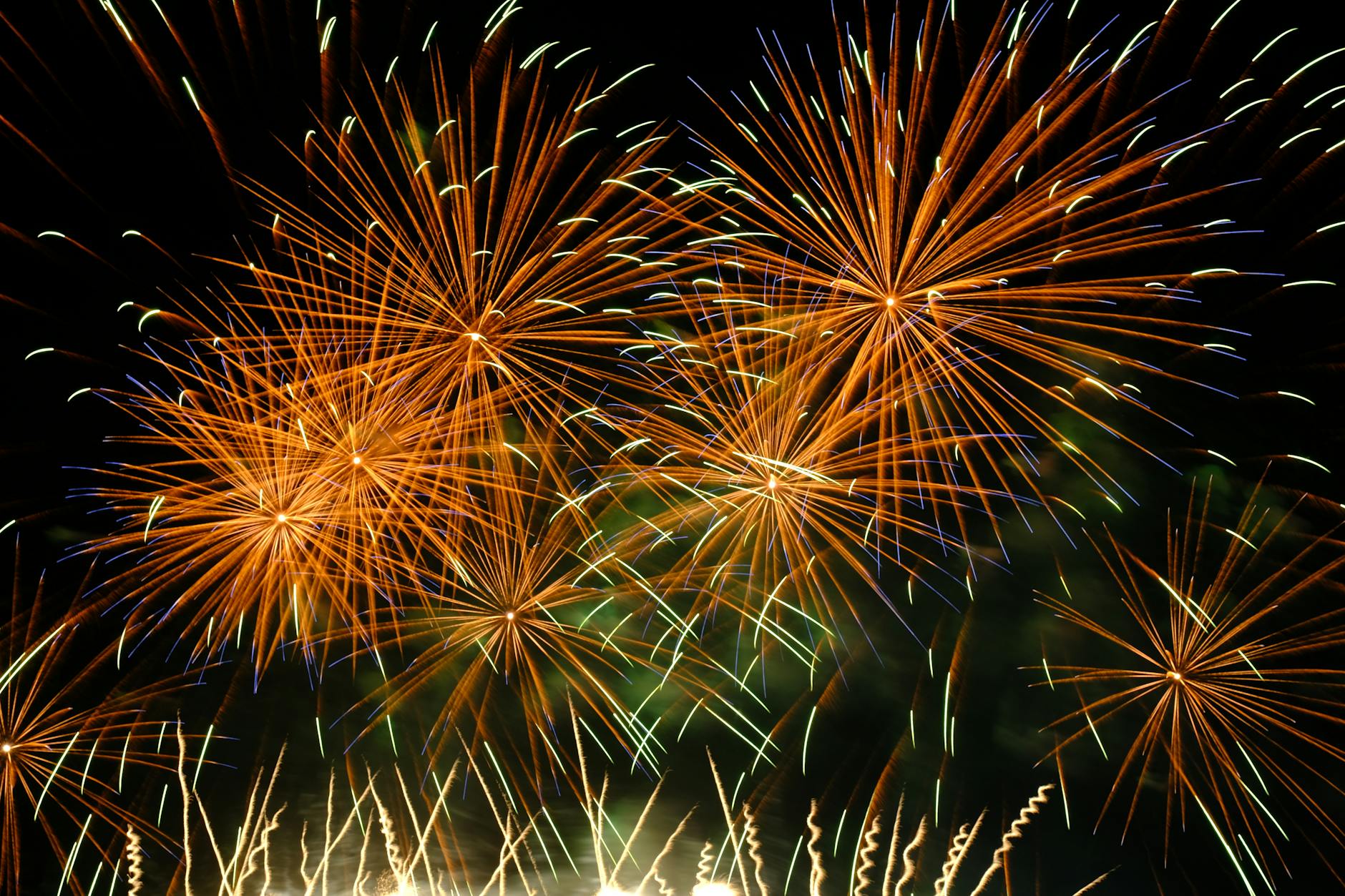
The Times Square ball has dropped every year since 1907, except twice. And almost nobody in the room will guess which two years it went dark. That’s the kind of gap that makes New Year’s trivia so satisfying to run. People think they know this holiday because they’ve lived through it every single year of their lives. They know the countdown, the kiss, the song they can’t quite remember the words to. But the actual history and traditions? That’s where the floor drops out.
I’ve run these questions at house parties, bar events, and one memorable New Year’s Day brunch where nobody was sober enough to argue but everyone argued anyway. Here’s what I’ve learned: the best new year’s trivia questions aren’t about what people know. They’re about what people assume.
1. What song is traditionally sung at midnight on New Year’s Eve in English-speaking countries?
I use this one first because everyone gets it right and it loosens the room. But then I follow up with question two, and that’s where the fun starts.
2. “Auld Lang Syne” is a Scottish poem set to music. What do the words “auld lang syne” roughly translate to in English?
This is the one that splits the room. People who got the first question confidently now realize they’ve been singing words they don’t understand for decades. The most common guess is something like “old long ago,” which is close enough to feel right but not quite there.
3. In which city does the famous New Year’s Eve ball drop take place?
A gimme. But it earns its spot because it sets up what’s coming next.
4. The Times Square ball drop has happened almost every year since 1907. It was skipped only twice. During which two years?
This is where I watch the room lean in. People guess pandemic years, blackout years, 9/11. The real answer is more mundane and somehow more interesting for it.
5. What is the Times Square New Year’s Eve ball made of?
People guess crystal and they’re right, but they don’t guess whose crystal. That’s the real question inside the question.
6. Before the adoption of the Gregorian calendar, what date did many European countries celebrate as the start of the new year?
This one always sparks a debate. Some people know it was March, but they don’t know the exact date. And a surprising number of people have never considered that January 1st wasn’t always obvious.
7. The Gregorian calendar, which most of the world now uses, was introduced by Pope Gregory XIII in what year?
People tend to guess way too early on this. The 1200s, the 1300s. The actual date surprises them because it means the calendar we take for granted is younger than they think.
8. Which country is the first to ring in the New Year each year, based on time zones?
Everyone says Australia. Everyone is wrong.
9. And which country on the planet is the last to celebrate New Year’s?
A nice companion piece. People guess Hawaii, and they’re not far off, but they usually miss the actual answer.
10. Rosh Hashanah is the Jewish New Year. What does “Rosh Hashanah” literally translate to?
I love including this because it opens the door to the fact that “New Year” isn’t one thing globally, and the room always gets a little more thoughtful.
11. In Spain, it’s traditional to eat how many grapes at midnight on New Year’s Eve , one for each chime of the clock?
People know about this tradition but almost always guess wrong on the number. They say six, or they say one. The real number is oddly specific and makes the tradition sound like a choking hazard, which it occasionally is.
12. In Denmark, people throw unused plates and glasses against the doors of friends’ houses on New Year’s Eve. What does a big pile of broken dishes on your doorstep signify?
This one always gets a laugh. The answer is sweeter than people expect.
13. What color underwear is traditionally worn on New Year’s Eve in several Latin American countries for good luck?
This is the question that gets the loudest reaction at any party, without fail. People shout answers. Everyone has an opinion.
14. In Scotland, the New Year’s celebration is known by what name?
Burns fans know this instantly. Everyone else stares at the ceiling.
15. What is “first-footing” in the Scottish Hogmanay tradition?
Even people who got the last one right tend to blank on this. The specificity of the tradition is what makes it land.
16. What is the most-watched New Year’s Eve TV special in the United States?
There are really only two answers people consider, and the split in the room usually falls along generational lines.
17. Approximately how many bottles of champagne are consumed worldwide on New Year’s Eve?
Give this one as a range question. Within 100 million counts. People’s guesses are all over the place, and the real number always feels both enormous and somehow not enough.
18. True or false: Champagne can only legally be called “champagne” if it comes from the Champagne region of France.
People think they know this one. They’re mostly right, but the asterisk is where the argument lives.
19. In the classic New Year’s tradition of making resolutions, what is consistently the most common New Year’s resolution in the United States?
Everyone guesses this correctly, and that’s the point. The interesting part is how quickly it fails.
20. What U.S. city hosts the oldest New Year’s Day parade, which has been running since the 1900s and features elaborate costumes and string bands?
People from the city know this in their bones. Everyone else has never heard of it. There’s no middle ground.
21. The Tournament of Roses Parade takes place on New Year’s Day in which California city?
Sports fans get this from the football connection. Everyone else second-guesses themselves between two or three cities.
22. Chinese New Year falls on a different date each year on the Gregorian calendar. It’s determined by what type of calendar?
People say “lunar calendar” and they’re almost right. Almost.
23. In Japan, New Year’s (Shōgatsu) is the most important holiday of the year. Buddhist temples ring their bells 108 times at midnight. Why 108?
Nobody guesses this. But the answer sticks with people. It’s one of those questions where the room goes quiet for a second after you reveal it.
24. What was the first year that a ball was dropped in Times Square to mark New Year’s Eve, and what was the ball made of?
A two-parter that rewards partial knowledge. Most people who know the year don’t know the material, and vice versa.
25. On the Gregorian calendar, January 1st became the official start of the new year largely because of a decree by Julius Caesar in 45 BCE. But why January specifically? What was the reasoning?
This is my closer. I’ve watched tables go silent trying to work this out. Some people know January is named after Janus, but they can’t articulate why that mattered to Caesar. And when you explain it, you can see the answer settle into people differently. Because Janus doesn’t just look forward. He looks both ways. That’s the whole point of the holiday, compressed into a name we say every year without thinking about what it means.

Most people know the same twelve facts about Black history. These 75 questions start there and then go somewhere you weren't expecting.
St. Patrick wasn't Irish, the shamrock isn't a species, and the Chicago River wasn't the first thing they dyed green. This St Patrick's Day trivia set is built for people who think they already know the story.
Most people think they know Thanksgiving. Then you ask them what year the Macy's parade started, or which president refused to declare it a holiday, and the table goes quiet. Seventy-five questions, zero mercy.
Most people can't name the two presidents who died on July 4th. And that's only question one. Fifty 4th of July trivia questions designed to start real debates at the cookout.