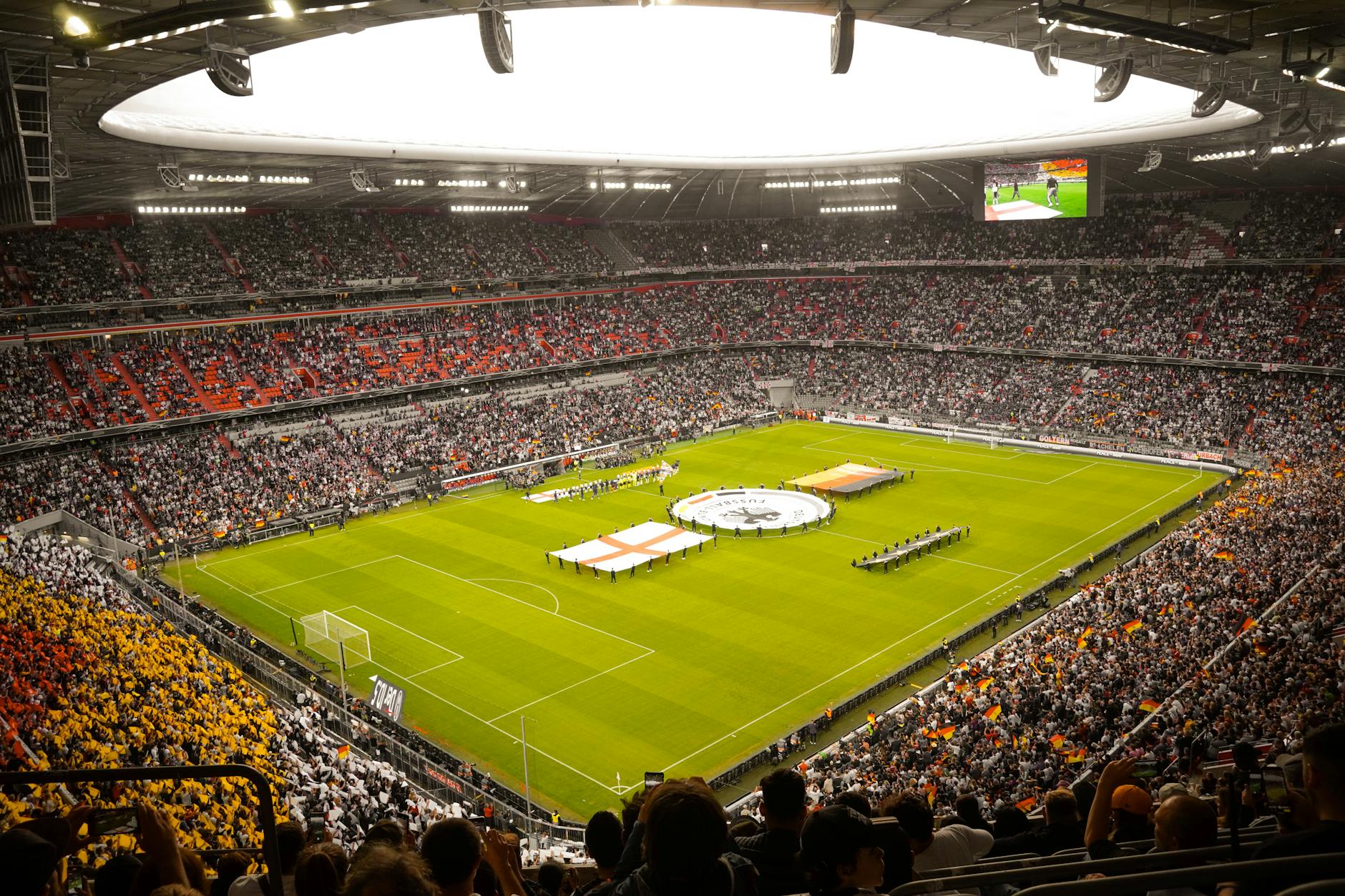
30 Soccer Trivia Questions That Will Start Arguments at Your Table
Most people who love soccer carry around a handful of facts they're absolutely certain about. Some of those facts are wrong. These 30 questions find the gaps.

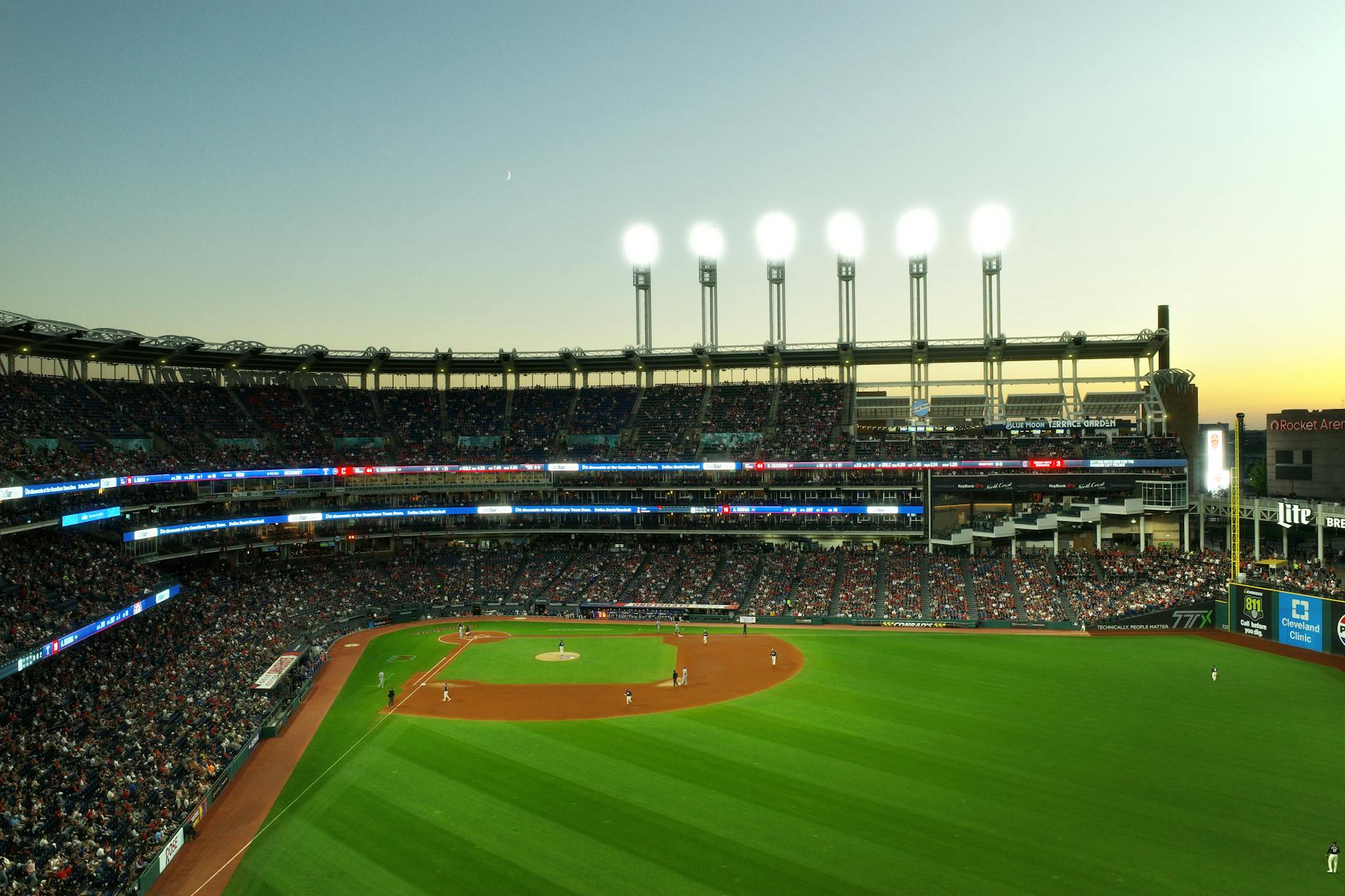
The most confident wrong answer I’ve ever heard at a trivia night was a table of four guys, all wearing jerseys, absolutely certain that a baseball diamond’s bases are 80 feet apart. They weren’t whispering. They were announcing it. One of them had played varsity. The number is 90 feet, and the silence when I read the answer was worth the entire evening. That’s the thing about general sports trivia: the people who live and breathe sports are often the easiest to catch, because they’ve never had to actually verify the stuff they “just know.”
These 50 questions are built from years of watching that happen. Some of them are layups. Some of them will make you argue with the screen. A few of them will make you text someone at an unreasonable hour.
1. How many players are on a standard soccer team on the field at one time?
I use this as a warm-up, but you’d be surprised how many people hesitate. That half-second of doubt is the whole game.
2. In which sport would you perform a slam dunk?
This exists purely to let the room feel good about themselves before I take it away.
3. What color is the center target on a standard archery target?
People picture it instantly. But the picture in their head is wrong about half the time. They see red because red screams “bullseye” to the brain.
4. How many holes are played in a standard round of golf?
I know. But I once had a table write down 9 because they were thinking of a quick round. Context poisons certainty.
5. What sport is played at Wimbledon?
The room answers this in unison. That’s the point. You need questions that build collective confidence before you shatter it.
6. In American football, how many points is a touchdown worth?
Here’s where it gets interesting. The answer isn’t 7. I’ve watched entire tables implode on this distinction.
7. What is the only country to have played in every FIFA World Cup since the tournament began in 1930?
Most rooms split between Germany and Argentina. Both wrong. The answer always gets a reaction because it feels so obvious in hindsight.
8. What’s the diameter of a basketball hoop in inches?
Nobody knows this and everybody guesses. The fun is hearing people try to math it out using the size of a basketball, which they also don’t know.
9. In what year were women first allowed to compete in the modern Olympic Games?
People guess 1920s or 1930s. It was earlier than that, and the sports they competed in will surprise you.
10. What sport uses the terms “love” and “deuce”?
Another breather. You need these between the gut punches.
11. How long is an Olympic swimming pool in meters?
The number of people who say 100 meters is genuinely alarming. That would be a lake.
12. Which country invented the sport of cricket?
I’ve had Australian tables get weirdly defensive about this one. It’s not complicated, but national pride does strange things to memory.
13. What’s the maximum number of clubs a golfer is allowed to carry in their bag during a round?
Golfers get this. Everyone else picks a number that feels right and commits to it hard.
14. In boxing, what does TKO stand for?
Simple question. But I’ve seen people freeze because they can picture a TKO happening and still can’t unpack the acronym.
15. Which NBA team has won the most championships in league history?
This splits rooms right down the middle between two teams. And the margin between them is close enough to fuel an argument.
16. What sport was originally called “mintonette”?
I love this question because the answer is so ordinary and the original name is so strange. Nobody guesses correctly. Nobody.
17. How many dimples does a standard golf ball have?
The guesses range from 100 to 1,000. Watching people negotiate a number is half the fun.
18. In which sport can you score a “birdie,” an “eagle,” and an “albatross”?
Golfers nod. Everyone else wonders why golf sounds like a birdwatching expedition.
19. What is the only sport to have been played on the moon?
This is one of my favorite general sports trivia questions because it connects two things people don’t normally put together. Alan Shepard brought a little piece of sports history 238,000 miles from home.
20. Which Williams sister won her first Grand Slam singles title first?
People assume Serena. The assumption tells you more about recency bias than it does about tennis history.
21. What’s the national sport of Canada?
Everyone says hockey. And they’re half right, which in trivia is the same as fully wrong.
22. How many rings are on the Olympic flag?
Easy. But I include it here because the follow-up is the real question.
23. What do the five colors of the Olympic rings represent?
Here’s the follow-up. Most people assign a color to a continent. That’s not what Pierre de Coubertin intended at all.
24. What was the first city to host the modern Summer Olympics?
Most people know this. But a surprising number say Rome or London, because those cities just feel more “Olympic” somehow.
25. Which country has won the most FIFA Women’s World Cup titles?
This one’s shifted recently. The answer used to feel automatic. Now there’s a real conversation.
26. What was the first sport to be filmed?
Nobody gets this. The guesses are all over the place. Baseball, horse racing, cricket. The real answer is more elegant than any of them.
27. In what decade was the first Super Bowl played?
People who know the exact year say it fast. People who don’t will guess the 1950s, which tells you how old they think professional football is.
28. Which athlete has won the most Olympic medals of all time?
This one’s almost a gimme now. But it wasn’t always. Before 2008, the answer was a Soviet gymnast most Americans had never heard of.
29. What country originated the martial art of judo?
Straightforward. But I’ve had people confuse it with jiu-jitsu’s Brazilian connection and second-guess themselves into oblivion.
30. What’s the oldest tennis tournament in the world?
The name carries so much weight that people sometimes overthink it, wondering if there’s some obscure French tournament that predates it.
31. How many players are on a baseball team’s roster during a game?
Nine on the field. But that’s not what I asked. The roster question catches people who think “nine” and stop thinking.
32. How many periods are in a standard NHL hockey game?
Hockey fans answer instantly. Everyone else says “halves” or “quarters” because that’s what every other sport they watch uses.
33. What’s the distance of a marathon in miles?
Everyone knows it’s 26-something. The “.2” is what separates the runners from the rest of the room. And the story behind that extra .2 is worth knowing.
34. How many players are on a volleyball team on the court at one time?
Beach volleyball has ruined this question. People say 2, and they’re thinking of the wrong version.
35. What’s the highest possible score in a single frame of bowling?
Not the same as asking for a perfect game score. This trips up even bowlers.
36. How many events make up a decathlon?
The prefix gives it away. But I’ve watched people overthink this into double digits that aren’t ten.
37. Which sport has the largest playing field?
Golf courses don’t count as a single “field.” That disclaimer is necessary because someone always argues it. After that, the real debate begins.
38. What’s the only Grand Slam tennis tournament played on clay?
Tennis fans know this cold. But I’ve seen casual fans confuse the surface with the tournament, guessing the Australian Open because the orange courts look like clay on TV.
39. In which sport would you find a “scrum”?
Software developers have ruined this word, but the original belongs to the pitch.
40. What’s the only position in soccer that can legally use their hands during open play?
This is a confidence check. Everyone knows it. But the word “open play” makes people second-guess themselves, which is the entire point.
41. Which team sport has the most registered players worldwide?
The answer isn’t close. But people from the US always guess basketball or baseball, because the world they see is the world they assume everyone else sees too.
42. What do you call it when a bowler rolls three strikes in a row?
Bowlers light up. Everyone else looks at the ceiling and hopes something comes to them.
43. In Formula 1 racing, what color flag signals the end of a race?
Everyone pictures the black-and-white pattern. But can they name the actual term for it?
44. What sport was removed from the Olympics after the 1924 Games and then reinstated in 2016?
This is a 92-year gap. The sport spent nearly a century in Olympic exile, which feels impossible for something so popular.
45. Who was the first African American to play in Major League Baseball?
Almost everyone says Jackie Robinson. And they’re right, sort of. But history is messier than the version we memorize.
46. What’s the only country to have won gold medals at every Summer Olympics since 1896?
This is one of those questions where the answer feels like it should be a superpower. It is, just not the one people expect.
47. In what sport is the term “hat trick” believed to have originated?
Hockey fans claim it. Soccer fans claim it. They’re both wrong about where it started.
48. What is the only sport to have been played on every continent, including Antarctica?
The fact that anyone has played any sport in Antarctica is delightful. The answer is the one sport stubborn enough to follow humans everywhere.
49. What is the shortest possible time to complete a game of chess, in moves?
Chess is a sport. That’s the first argument. The second argument is whether the answer is even possible. It is. It’s called the Fool’s Mate.
50. What is the only athlete to have been named an All-Star in both Major League Baseball and the NFL?
This is the question I close with because the answer contains a whole life in it. We remember this person for one thing, but their body of work sprawls across sports in a way that doesn’t happen anymore. The era of the true multi-sport athlete is essentially over, and this person is the monument to what it looked like when someone could simply be better than everyone else at everything. When I read this answer in a room, someone always says “of course” and someone always says “wait, really?” And that’s the gap where great trivia lives.

Most people who love soccer carry around a handful of facts they're absolutely certain about. Some of those facts are wrong. These 30 questions find the gaps.
Most people who love baseball think they know baseball. These 50 questions will find the exact point where confidence turns into guessing.
The Olympics live in our collective memory as highlight reels and medal counts, but the real stories hide in the margins. These 100 questions find them.
Most people remember the commercials better than the scores. These 30 Super Bowl trivia questions find the gap between what you saw and what actually happened.