125 Dog Trivia Questions That’ll Make You Rethink Everything You Know About Your Best Friend
Most people think they know dogs. These 125 questions will find the exact spot where confidence turns into guessing, and that's where the fun starts.

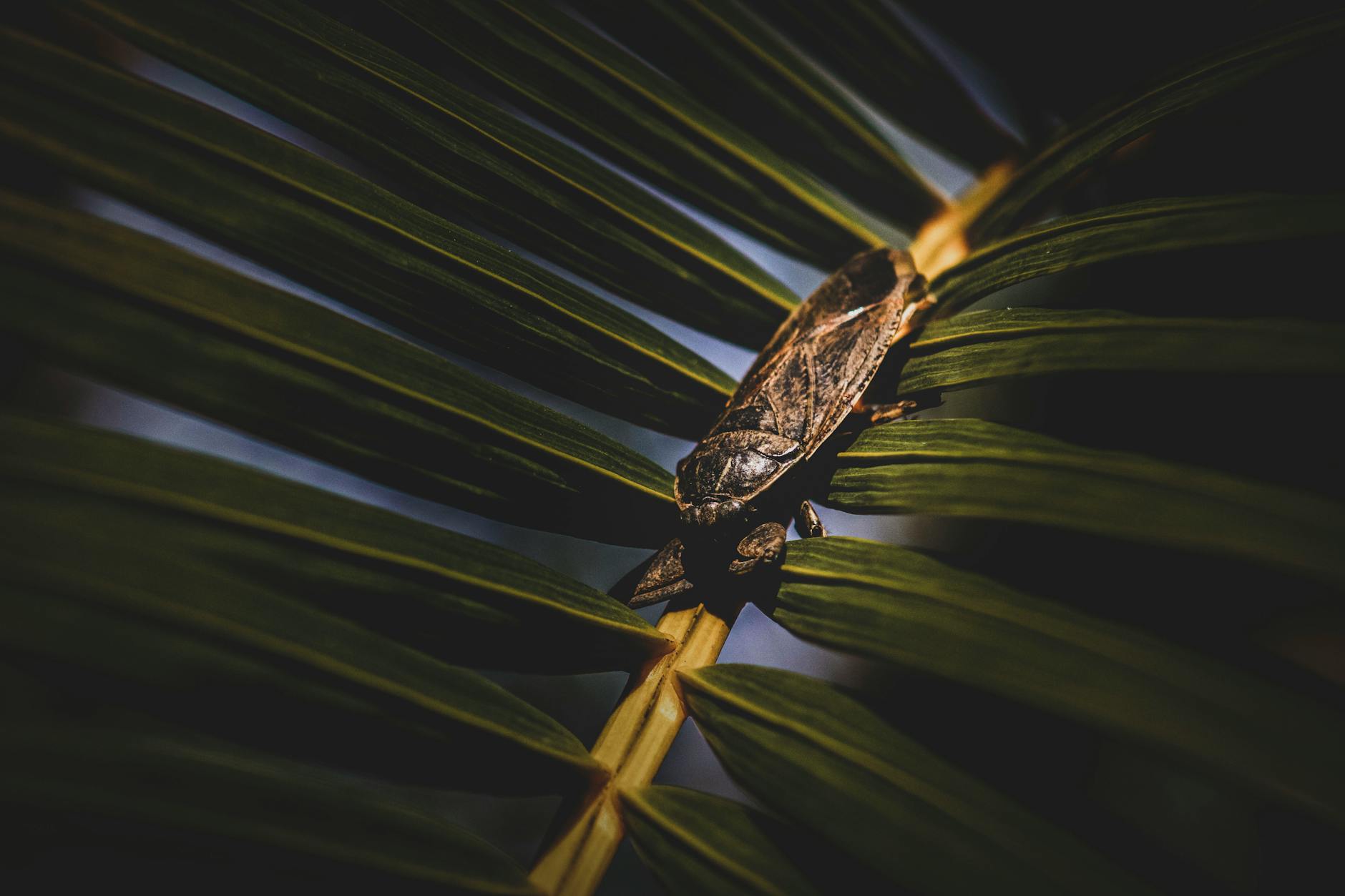
A cockroach can live for a week without its head. People love knowing that. What they don’t love hearing is why it dies at all: it can’t drink water without a mouth, so it dies of thirst. That little detail changes the whole fact from gross novelty to something almost sad. That’s the kind of insect trivia I live for. Not the stuff that makes people squirm, but the stuff that makes them go quiet for a second before someone at the next table says “wait, really?”
The person searching for insect trivia already knows a monarch butterfly migrates. They probably know a flea can jump a hundred times its body length. They’re past the basics. What they don’t realize is how many of those basics they’ve got slightly wrong, and how much weirder the truth is than whatever they memorized from a nature documentary in 2009. These forty questions are built for that person. Some will feel easy. Some will start arguments. A few might genuinely change how you think about the most successful animals on the planet.
1. How many legs does an insect have?
I open with this at live events and someone always shouts “eight” before catching themselves. It’s a good litmus test for who’s been paying attention to the word “insect” versus “bug.”
2. What is the most species-rich order of insects on Earth?
J.B.S. Haldane supposedly said God has “an inordinate fondness for beetles.” Whether he actually said it is debated. Whether it’s true isn’t.
3. What body part do insects use to taste food , their mouths, their antennae, or their feet?
This one gets a physical reaction. People look at their own shoes after hearing the answer.
4. What common name is given to the larval stage of a butterfly or moth?
Free point. But it sets up harder questions about metamorphosis later, and I like giving a room momentum.
5. True or false: all mosquitoes bite humans.
The confident “true” from across the room is always loud. The correction is always quiet.
6. What insect is responsible for pollinating roughly 80% of all flowering plants?
Everyone says bees. And they’re right. But I’ve watched entire tables argue about whether it should be “honeybees specifically” or “bees in general.” The answer is broader than most people think.
7. How many times per second can a housefly beat its wings , roughly 20, 200, or 2,000?
The middle option is correct and it still sounds absurd when you say it out loud.
8. What process do insects like grasshoppers undergo instead of complete metamorphosis?
This separates the people who took entomology from the people who watched a lot of nature shows. Both groups think they know it.
9. What is the only insect that produces food eaten by humans?
I’ve had someone argue “silkworm” because you can eat them. But the question says “produces food,” and that distinction matters.
10. A ladybug is not actually a bug. What type of insect is it?
This one always gets a pause. People know ladybugs. They’ve never stopped to think about what they actually are.
11. What color is an insect’s blood?
Red feels so obvious that people second-guess themselves. Good. They should.
12. What insect can carry up to 50 times its own body weight?
The ant answer comes fast. And it’s correct. But I always add the context because the number alone doesn’t hit the way it should.
13. Is a spider an insect?
I include this not because it’s hard but because someone in every group will die on this hill. They’ll say “technically” and then trail off.
14. What insect has the shortest adult lifespan , sometimes living less than 24 hours?
The name gives it away if you think about it. But people still guess fruit fly or mosquito first.
15. What type of insect is a “drone”?
In 2024, half the room thinks you’re talking about technology. The other half remembers their beekeeping uncle.
16. How many eyes does a typical housefly have?
The trick here is that people know about compound eyes but don’t know about the other ones.
17. What insect’s migration covers up to 3,000 miles, from Canada to central Mexico?
Everyone knows this one. I include it because it’s one of those facts that gets more impressive the more you think about it, not less.
18. What insect was sacred in ancient Egypt?
This is a great pub question because even people who’ve never studied Egypt can picture the answer if they think about jewelry and tomb art.
19. What percentage of all known animal species are insects , roughly 20%, 50%, or 80%?
People consistently lowball this. The actual number makes you rethink what “animal” means.
20. What insect produces silk?
Spiders produce silk too, but they’re not insects. I’ve watched someone talk themselves out of the right answer because of this.
21. What is the loudest insect in the world relative to its body size?
If you’ve ever been outside in the American South in summer, you already know this answer in your bones, even if your brain hasn’t caught up.
22. What do fireflies use their light for?
“To see in the dark” is the wrong answer that makes the most intuitive sense. The truth is more romantic.
23. What insect can survive being frozen solid and then thawed?
This one makes people lean in. It sounds like science fiction.
24. How many segments make up an insect’s body?
Head, thorax, abdomen. Three words every biology student had drilled into them. This question rewards that specific memory.
25. What insect was used in medicine to clean wounds, a practice that’s been revived in modern hospitals?
The squirm factor on this one is real. People know the answer and wish they didn’t.
26. What is the term for the hard outer shell of an insect?
A vocabulary question that separates people who read about insects from people who just look at them.
27. Which travels faster: a cockroach running or a butterfly flying?
I love this question because both answers feel plausible, and the reasoning people use to get there tells you a lot about how they think.
28. What insect has a queen, workers, and soldiers, and builds mounds that can reach over 30 feet tall?
People split between ants and the correct answer. The height is the clue that should give it away.
29. What disease, transmitted by the Anopheles mosquito, kills more humans than any other insect-borne illness?
The mosquito is the deadliest animal on the planet. Not sharks. Not snakes. A mosquito. This question makes that concrete.
30. What insect order includes butterflies and moths?
If you took any biology past high school, this is sitting right there. If you didn’t, the word itself has a nice clue built in.
31. What insect can detect a single molecule of a female’s pheromone from seven miles away?
Seven miles. I’ve had people refuse to believe it until I show them the research.
32. What common insect has existed in essentially the same form for over 300 million years?
Older than dinosaurs. Older than flowers. Older than most things people can name.
33. What is the only continent with no native insect species?
People guess wrong on this more than you’d expect. Something about it feels like a trick.
34. Approximately how many individual insects are alive on Earth at any given time , 1 billion, 10 trillion, or 10 quintillion?
The correct answer is the one that sounds made up. That’s usually how it goes with insects.
35. What beetle can fire a boiling chemical spray from its abdomen at predators?
Nature’s chemical warfare engineer. The mechanism is so precise it’s been studied by rocket scientists.
36. What insect inspired the design of Velcro?
This is actually a trick question, and I love watching confident answers come in before doubt sets in.
37. What do Japanese giant hornets do to honeybees that invade their territory?
The real story is what the honeybees do back. It’s one of the most metal things in all of nature.
38. What insect has the largest known brain relative to its body size?
The answer to this one makes you reconsider what intelligence means.
39. What is the only insect known to have been domesticated by humans?
People say honeybees. They’re wrong, and the distinction is worth understanding.
40. What percentage of insect species have scientists estimated we’ve lost in the last 30 years , and what is this decline commonly called?
I save this question for last because insect trivia shouldn’t just be a party trick. The answer to this one sits differently than the others. It’s not fun. It’s not designed to make you feel clever. It’s designed to make you remember that every weird, disgusting, beautiful fact in this list describes something that is disappearing. Some studies suggest we’ve lost over 40% of insect species populations in three decades. Scientists call it the “insect apocalypse.” A world without insects isn’t a world with fewer annoying flies. It’s a world without pollination, without decomposition, without the base of most terrestrial food chains. Every question in this list is about something worth keeping.

Most people think they know dogs. These 125 questions will find the exact spot where confidence turns into guessing, and that's where the fun starts.
Earth Day started as a protest, not a celebration. These 40 questions cover the parts most people skip , the politics, the science, and the answers that make a whole table go quiet.
You think you know dogs. Everyone thinks they know dogs. These 50 dog breed trivia questions find the exact spots where confidence outpaces knowledge.
Most people walk into animal trivia thinking their Discovery Channel years will carry them. These 40 questions are built to exploit exactly that confidence.