40 Adult Trivia Questions That Will Start Arguments at Your Next Dinner Party
These adult trivia questions were built for the moment someone says 'No way, that can't be right' and reaches for their phone. Forty of them, paced like a real game night.

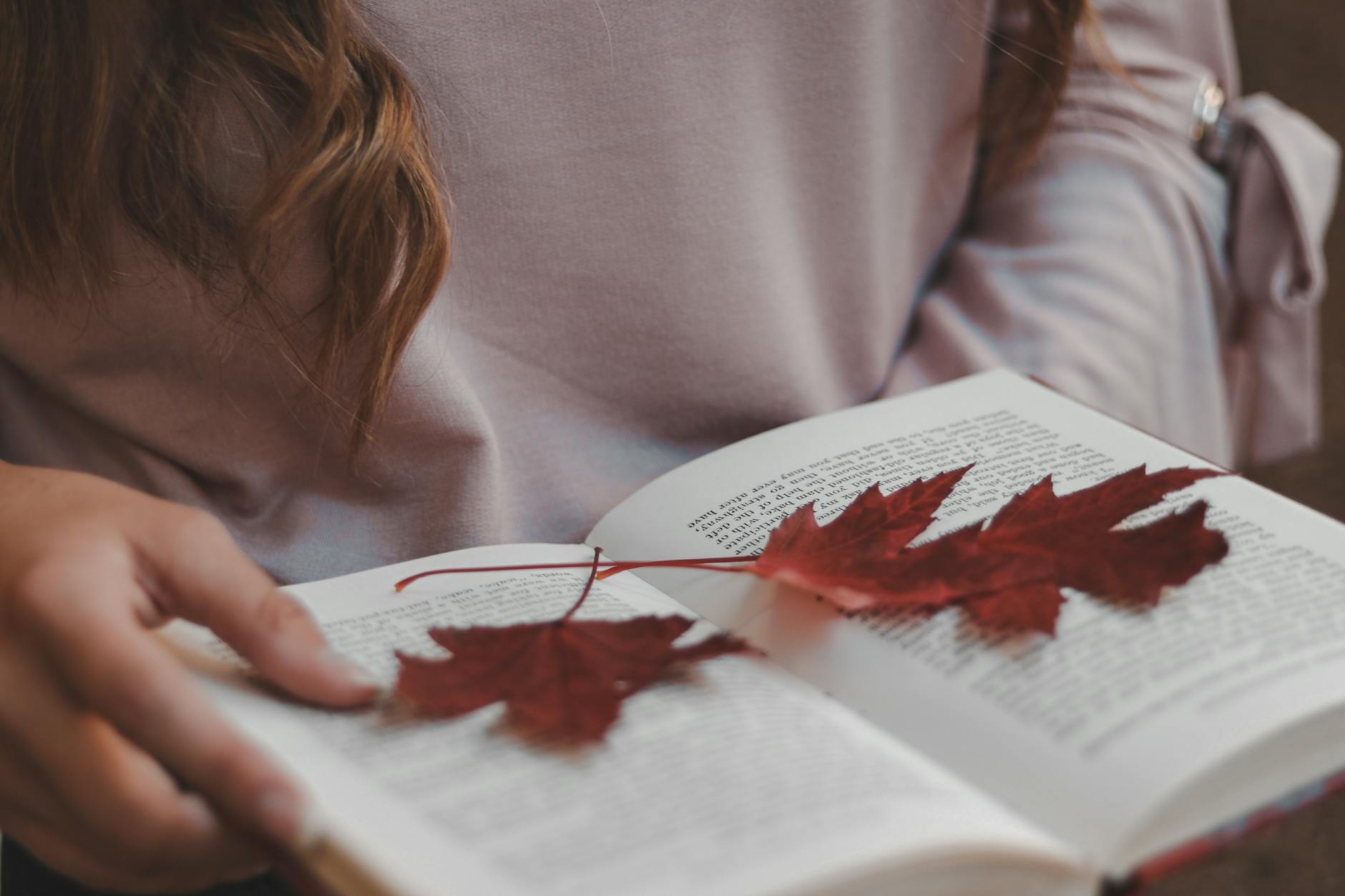
The color you see when a leaf turns red in autumn isn’t something the tree makes for the occasion. That pigment was there all along, masked by chlorophyll. The tree doesn’t add anything. It subtracts. I’ve opened trivia nights with that fact and watched a room full of adults silently reconsider everything they thought they knew about fall. That’s the kind of question set this is. Not a quiz about pumpkins, though there are pumpkins. It’s 125 questions built around the season that makes adults feel like they’re getting away with something, where the wrong answers are almost always more interesting than the right ones, and where the person who grew up on an apple farm has a genuine advantage for once in their life.
1. What pigment is primarily responsible for the green color in leaves during summer?
Every single person in the room knows this one. That’s the point. You start with confidence so you can take it away later.
2. When leaves turn yellow and orange in fall, are those pigments newly created, or were they already present in the leaf?
This is where it gets fun. Most people assume the tree is doing something active, like painting. It’s actually doing the opposite. The yellows and oranges were always there, just hidden by chlorophyll. When the tree stops producing chlorophyll, those colors finally show up to the party they’ve been waiting outside of all summer.
3. Red and purple fall leaf colors come from a different class of pigments than yellow and orange. What are they called?
Unlike the carotenoids, these actually are produced in autumn. So the tree is doing both things at once: revealing and creating. I love asking this right after the previous question because it makes people doubt the answer they just got right.
4. What is the term for the shorter daylight period that triggers trees to begin their fall color change?
Temperature gets all the credit, but it’s actually the shrinking daylight that starts the process. Cool nights help intensify colors, but the clock is set by the sun.
5. The sugar maple is famous for its fall color. What country’s flag features the sugar maple leaf?
This one’s a gimme, but it earns its place because of what comes next.
6. What U.S. state is generally considered to have the most famous fall foliage tourism, drawing roughly $3 billion annually in “leaf-peeper” revenue?
I’ve seen legitimate arguments break out over this. People from New Hampshire get personally offended. But the numbers don’t lie.
7. What Japanese term describes the tradition of enjoying the changing autumn leaves, similar to hanami for cherry blossoms?
Beautiful word. Beautiful tradition. And it tells you something that Japan has a specific, centuries-old word for this. We just call it “leaf-peeping,” which sounds like something you’d get arrested for.
8. True or false: Evergreen trees like pines and spruces do lose their needles, just not all at once.
Most people say false. They’re wrong, and you can watch it register on their faces.
9. One common deciduous conifer drops all its needles in fall and turns brilliant gold before it does. What tree is this?
A conifer that acts like a deciduous tree. Nature’s identity crisis, and it’s gorgeous.
10. What does the word “deciduous” literally mean, from its Latin root?
Once you know this, you can’t unknow it. The word is doing exactly what it describes.
11. The autumnal equinox marks the official start of fall. What does “equinox” literally mean?
People who took Latin in high school light up on this one. Everyone else takes a decent guess.
12. In the Northern Hemisphere, the autumnal equinox typically falls on what date?
“September 21st” is what everyone says, probably because of the Earth, Wind & Fire song. It’s close, but not quite.
13. What is the “Harvest Moon”?
Not just a Neil Young song. There’s a real, practical reason it got that name, and it has nothing to do with romance.
14. What’s the name for the full moon that follows the Harvest Moon?
This is where confidence drops. Most people have heard of a Harvest Moon. Far fewer know what comes after.
15. Daylight Saving Time ends in fall in the U.S. Do clocks “spring forward” or “fall back”?
I include this as a palate cleanser. Everyone gets it. But I once had a guy argue passionately that it was the other way around. He was an engineer. The room never let him forget it.
16. Which U.S. state does NOT observe Daylight Saving Time at all?
There are two, actually, but most people can only name one.
17. What ancient Celtic festival, celebrated on November 1st, is considered a forerunner of Halloween?
This one separates the people who’ve done a deep Wikipedia spiral from the people who haven’t. Yet.
18. The word “autumn” comes from which language?
English gets its seasons from everywhere. This one’s a trip.
19. Before the 16th century, the English word for autumn was what?
It’s the same word we still use today, just with its full original phrasing. Sometimes language simplifies in the most poetic ways.
20. In which hemisphere does fall begin in March?
Simple, but it reorients the brain. Half the world’s autumn is someone else’s spring.
21. What percentage of the U.S. pumpkin crop is grown in Illinois: roughly 40%, 60%, or 80%?
Illinois doesn’t get enough credit for being the pumpkin capital of America. People always guess somewhere in New England.
22. Botanically speaking, is a pumpkin a fruit or a vegetable?
The tomato question gets all the fame. But the pumpkin answer shocks people more, because nobody thinks of pie filling as fruit.
23. Most canned “pumpkin” in the U.S. is not actually made from what we’d recognize as a pumpkin at the grocery store. What variety of squash is typically used?
I’ve watched people set down their pumpkin spice lattes in genuine betrayal after hearing this answer.
24. What is the world record for the heaviest pumpkin ever grown, as of 2023: roughly 1,500 lbs, 2,000 lbs, or 2,700 lbs?
People always guess too low. The competitive pumpkin growing world is absolutely unhinged in the best way.
25. Starbucks introduced the Pumpkin Spice Latte in what year?
People think it’s been around forever. It hasn’t. The cultural footprint is just wildly disproportionate to its age.
26. “Pumpkin spice” is a spice blend. Name three of the spices typically in it.
Most people nail two. The third is where the guessing starts.
27. Did the original Starbucks Pumpkin Spice Latte contain any actual pumpkin?
This is the question that makes the room go quiet.
28. What part of the pumpkin plant is edible besides the flesh and seeds?
This stumps people who’ve never cooked with the whole plant. But if you’ve been to a Mexican grocery store, you already know.
29. In the story of Cinderella, what does the Fairy Godmother turn a pumpkin into?
A breather question. But watch out for the person who insists on specifying the Disney version versus Perrault’s original. That person is at every trivia night.
30. The tradition of carving jack-o’-lanterns originally used what vegetable, not pumpkins?
If you’ve ever seen a carved turnip, you understand why people switched. They look like something from a nightmare, which, honestly, is more on-brand for Halloween.
31. What is the name of the phobia for the fear of Halloween?
There’s a word for everything, and this one sounds like it was designed by a horror screenwriter.
32. The “witching hour” traditionally refers to what time of night?
Most people say midnight. Most people are wrong. Though midnight has its own mythology.
33. In the Salem witch trials of 1692, how many people were executed?
People either go way too high or surprisingly close. The number is smaller than Hollywood suggests, which somehow makes it worse.
34. What classic horror novel was set partly during autumn and features a character named Ichabod Crane?
Not a novel, technically. And that distinction matters to exactly the kind of person who wins trivia.
35. What is the name of the headless specter that terrorizes Ichabod Crane?
36. The movie “Halloween” (1978) is set in the fictional town of Haddonfield. What real U.S. state is it supposed to be in?
This one catches horror fans who’ve seen the movie a dozen times but never actually paid attention to the geography.
37. In “It’s the Great Pumpkin, Charlie Brown,” which character waits in the pumpkin patch for the Great Pumpkin?
If you get this wrong, you had a different childhood than I did. And that’s okay, but I’m judging slightly.
38. What year was “It’s the Great Pumpkin, Charlie Brown” first broadcast?
It feels timeless. It isn’t.
39. In Mexico, Día de los Muertos (Day of the Dead) is celebrated on what dates?
A lot of people say “November 1st.” That’s half right, which in trivia means it’s all wrong.
40. What flower is traditionally associated with Día de los Muertos altars?
If you’ve seen the movie “Coco,” you know this. If you haven’t, go watch it and come back. I’ll wait.
41. How many varieties of apples exist worldwide: roughly 500, 2,500, or 7,500?
Everyone goes too low. The apple is one of the most diverse fruits on earth and we eat about six of them.
42. What is the most popular apple variety in the United States by production volume?
This used to be an easy question. The answer changed relatively recently, and people who haven’t been paying attention to the apple market (which is most people) get it wrong.
43. If you plant a seed from a Honeycrisp apple, will you get a Honeycrisp tree?
This is one of those questions that changes how people think about food. The answer is genuinely surprising.
44. The phrase “as American as apple pie” is ironic because apples are not native to North America. Where did domesticated apples originate?
Central Asia. Specifically, the mountains of Kazakhstan. I’ve watched patriotism flicker in real time on this one.
45. What does the term “cider” mean in most countries outside the U.S.?
Americans and Brits will answer this question completely differently, and both will be certain they’re right.
46. Johnny Appleseed was a real person. What was his actual name?
47. The apples Johnny Appleseed planted were not meant for eating. What were they primarily used for?
This is the follow-up that makes the previous question worth asking. His reputation is built on a wholesome misunderstanding.
48. What popular fall activity involves trying to grab apples floating in water using only your mouth?
A gimme, but it sets up the next one.
49. Bobbing for apples is believed to have originated as a courting ritual associated with which Roman goddess?
The goddess of fruit and orchards. The game was basically a Roman dating app.
50. What does the word “pomology” mean?
Named after the same goddess. And it’s a real scientific discipline, not something I made up.
51. What causes the seasons , Earth’s distance from the sun, or the tilt of Earth’s axis?
I’ve run this question for years and roughly 40% of adults say distance. Every time. The misconception is remarkably stubborn.
52. What is the angle of Earth’s axial tilt?
If you got the last one right, this is your victory lap. If you didn’t, this is salt in the wound.
53. What bird is known for its massive V-shaped fall migration flights southward across North America?
54. Monarch butterflies migrate in fall. Where do eastern North American monarchs overwinter?
The specificity of the answer is what makes it beautiful. They don’t just go to Mexico. They go to a very particular set of mountains, the same ones, every year, despite never having been there before.
55. How far do monarch butterflies travel during their fall migration , up to 500 miles, 1,500 miles, or 3,000 miles?
56. What phenomenon causes shorter days and longer nights in fall in the Northern Hemisphere?
57. The constellation Orion becomes prominently visible in the fall and winter night sky. What is Orion traditionally depicted as?
58. What weather phenomenon, common in fall, occurs when warm air sits above a layer of cool air near the ground, trapping pollutants and fog?
This is responsible for those eerie fall mornings where the fog sits in the valley and won’t move. There’s a name for it, and it sounds more dramatic than it should.
59. What is “Indian summer”?
Everyone uses this phrase. Almost nobody can define it precisely. And the origin of the name is genuinely debated.
60. In the Northern Hemisphere, fall officially ends and winter begins on the winter solstice. What is the approximate date?
61. What fall-associated German beer festival takes place annually in Munich?
62. Despite its name, Oktoberfest mostly takes place in which month?
This gets a laugh every time. The name is a lie and has been for over 200 years.
63. What style of beer is traditionally served at Oktoberfest?
64. Beaujolais Nouveau Day, celebrating the year’s new wine from France, falls on what specific day each year?
It’s oddly specific and has been codified by French law. Because of course it has.
65. What warm fall drink is made from heated apple cider with cinnamon, cloves, and other spices?
66. What is the main difference between apple cider and apple juice in the United States?
The answer is less scientific than you’d expect. It’s mostly about filtering.
67. Pumpkin ale has been brewed in America since what century?
Colonial Americans brewed with pumpkin out of necessity, not trend. They were short on barley and long on gourds.
68. What fall-harvested grain is used to make bourbon whiskey, by U.S. law comprising at least 51% of the mash bill?
69. Cranberry bogs are flooded during fall harvest. Are cranberries actually grown underwater?
Everyone pictures cranberries growing in water because of the Ocean Spray commercials. The reality is less photogenic but more interesting.
70. What percentage of the U.S. cranberry crop is grown in Wisconsin: roughly 30%, 50%, or 60%?
Massachusetts gets all the Thanksgiving credit. Wisconsin does all the actual work.
71. In what year did the Pilgrims celebrate the “First Thanksgiving” at Plymouth Colony?
72. The Wampanoag people attended the 1621 harvest celebration. Who was their leader?
73. Was turkey actually served at the first Thanksgiving in 1621?
The honest answer is: we’re not sure. And that uncertainty bothers people more than a straight “no” would.
74. Which U.S. president made Thanksgiving a national holiday?
Most people say Lincoln. Most people are right. But the story of who convinced him to do it is better than the fact itself.
75. Sarah Josepha Hale, the woman who lobbied for Thanksgiving to become a holiday, also wrote what famous nursery rhyme?
This is the kind of connection that makes people say “wait, seriously?” out loud. I live for that.
76. What is the fleshy red appendage hanging from a turkey’s beak called?
77. And the fleshy red skin hanging from a turkey’s neck?
People mix these two up constantly. Having them back-to-back forces a commitment.
78. The day after Thanksgiving in the U.S. is called Black Friday. The term originally referred to what?
The popular explanation about retailers going “into the black” is a retrofit. The real origin is grimmer and funnier.
79. What is the average weight of a commercially raised Thanksgiving turkey: roughly 15 lbs, 20 lbs, or 30 lbs?
80. Does tryptophan in turkey actually cause post-Thanksgiving drowsiness?
This is one of those facts that everyone “knows” and almost nobody has right.
81. What was the most popular Halloween costume for adults in the U.S. in 2023: witch, vampire, ghost, or zombie?
82. Americans spend approximately how much on Halloween annually: $5 billion, $8 billion, or $12 billion?
The number keeps climbing. It passed the GDP of several small countries a while back.
83. What candy consistently ranks as the top-selling Halloween candy in the U.S.?
Arguments start immediately. Everyone has a personal favorite and assumes it’s universal.
84. Candy corn was invented in which decade: the 1880s, 1920s, or 1950s?
It’s older than most people think. And somehow it still tastes exactly the same, which is either a compliment or an accusation.
85. What was candy corn originally called?
The original name tells you everything about who it was marketed to and how different America was.
86. The word “Halloween” is a contraction of what phrase?
87. What country is believed to be the birthplace of Halloween traditions?
88. In the movie “Hocus Pocus” (1993), what are the names of the three Sanderson sisters?
Name all three and you earn the respect of every millennial in the room. Name two and they’ll still give you partial credit.
89. What 1978 John Carpenter film was made on a budget of roughly $300,000 and became one of the most profitable independent films ever?
90. In the movie “Halloween,” Michael Myers’ mask was famously made from a modified mask of what real person?
This is a trivia classic, and it still gets a reaction every time. The mundane origin of something terrifying is always compelling.
91. What root vegetable, now associated with Thanksgiving, was so valuable in medieval Europe that it was used as currency?
Think about it. A root vegetable. Used as money. The answer is hiding in plain sight of every fall table.
92. Sweet potatoes and yams are often confused. True or false: most “yams” sold in U.S. grocery stores are actually sweet potatoes.
93. What nut, commonly harvested in fall, is the only nut native to North America that is commercially grown?
People say walnut. People say chestnut. People are usually wrong.
94. The American chestnut tree once dominated eastern forests. What devastated the species in the early 20th century?
One of the great ecological tragedies of American history, and most people have never heard of it.
95. What fall-harvested squash shares its name with a type of pasta?
96. Butternut squash is part of what botanical family, which also includes cucumbers, melons, and pumpkins?
97. What common fall mushroom, highly prized by foragers, is bright orange and trumpet-shaped?
98. Truffles are typically harvested in what season?
There are summer truffles and winter truffles, but the most prized ones come into season during a very specific window.
99. What process do squirrels use to remember where they buried their nuts?
The common answer is memory. The real answer is messier, more interesting, and explains a lot about how forests grow.
100. What is the term for animals that store food for winter, like squirrels caching nuts?
101. What month does the Earth, Wind & Fire song “September” celebrate?
I know. But you’d be amazed how many people overthink this. “It’s a trick question, right?” No. It isn’t. Just enjoy it.
102. “Wake Me Up When September Ends” is by what band?
103. Green Day’s Billie Joe Armstrong wrote that song about what personal event?
The song hits different when you know this. It always has.
104. What 1962 song by The Four Seasons shares its name with an autumn month?
The group name is a hint, and the song still holds up.
105. “Harvest Moon” was a 1992 hit for what Canadian singer-songwriter?
106. What Fleetwood Mac album, often associated with autumn vibes, was released in 1977 and became one of the best-selling albums of all time?
107. Taylor Swift’s album “Red” (Taylor’s Version) prominently features autumn imagery. What specific item of clothing does she reference in the song “All Too Well” that has become iconic?
Swifties will get this before the question is finished. Everyone else will learn something about the intensity of that fandom.
108. What Billie Holiday jazz standard, later covered by Frank Sinatra and many others, uses autumn as a metaphor for the end of a love affair?
109. The Vivaldi concerto “Autumn” is part of what larger composition?
110. What Van Morrison song contains the lyrics “And all the leaves on the trees are falling”?
People either know this immediately or not at all. There’s no middle ground with Van Morrison.
111. What is a “corn maze” called in the United Kingdom?
The word difference tells you something about which country thinks corn is the default crop.
112. The tradition of tailgating before football games is most associated with what season?
113. What is the name of the annual fall event where thousands of people gather in Punkin Chunkin to hurl pumpkins using catapults and air cannons?
It started in Delaware. Because of course it did.
114. What country celebrates Erntedankfest, its version of a harvest thanksgiving, in early October?
115. Canadian Thanksgiving falls on what day and in what month?
Americans consistently get this wrong. Canadians who’ve moved to the U.S. get a faraway look in their eyes.
116. What is the name of the Jewish autumn holiday that involves building and eating in a temporary outdoor structure?
117. The Hindu festival of lights, Diwali, typically falls in what season in the Northern Hemisphere?
118. What is the Chinese Mid-Autumn Festival’s signature food?
119. Guy Fawkes Night, celebrated on November 5th with bonfires and fireworks, commemorates a failed plot to blow up what building?
120. In the U.S., Election Day always falls on the Tuesday after the first Monday in November. Why was Tuesday chosen?
The reason is so practical and so 19th-century that it makes modern people laugh.
121. What is the name for the anxiety or sadness some people experience as daylight hours decrease in fall?
122. What common fall allergen comes not from colorful flowers but from a plain, wind-pollinated plant that blooms from August through November?
Goldenrod gets blamed for this constantly. Goldenrod is innocent. It’s been framed.
123. What is the term for the practice of predicting winter severity by examining the bands on a woolly bear caterpillar?
There’s no scientific basis for it. But every fall, someone you know will post a photo of one and make a prediction. It’s folklore that refuses to die, and honestly, I respect that.
124. What is the only U.S. federal holiday that falls in the fall and is specifically designated as a day of service?
People cycle through the options. Labor Day? Veterans Day? Neither is technically designated as a “day of service.”
125. What common autumn sound, produced by male insects rubbing their wings or legs together to attract mates, intensifies in September and October before going silent with the first hard frost?
I save this one for last because it’s not really about the answer. It’s about the sound itself. If you’ve ever stood outside on an October evening and noticed the crickets were louder than they’d been all summer, almost frantic, that’s because they are. They’re running out of time. The males are calling for mates before the frost ends everything. That wall of sound you hear isn’t celebration. It’s urgency. And then one cold night, it stops. You don’t notice it stopping. You just wake up one morning and the silence is already there, and fall has tipped into something else entirely. That’s the sound of the season turning, if you’re paying attention.

These adult trivia questions were built for the moment someone says 'No way, that can't be right' and reaches for their phone. Forty of them, paced like a real game night.
Easter trivia that goes way beyond bunnies and egg hunts. These 125 questions have been road-tested in rooms full of people who were absolutely sure they were right.
These aren't hard because they're obscure. They're hard because your brain is absolutely certain it knows the answer, and it's wrong.
Forty multiple choice trivia questions that exploit the gap between what you think you know and what you actually do. Some of these have haunted entire bar rooms.