100 Black History Month Trivia Questions That Will Rearrange What You Think You Know
Most people can name the same five figures without blinking. These 100 Black History Month trivia questions start where that confidence ends and keep going.
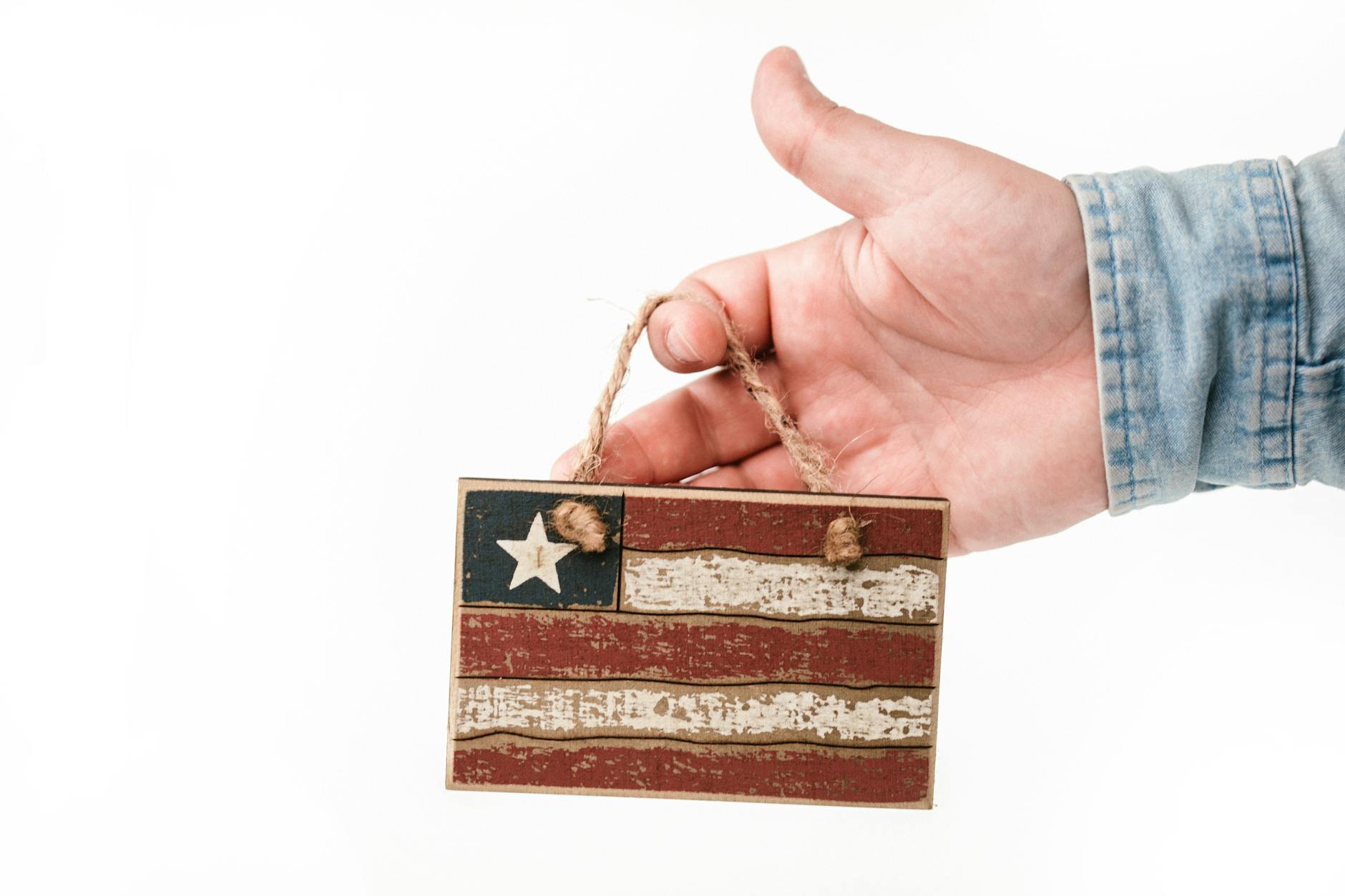
John Adams was so convinced that July 2nd would be the date Americans celebrated forever that he wrote his wife a letter about it. He described fireworks, parades, bonfires, illuminations. He got every detail right except the actual date. That’s the kind of confident wrongness that makes great trivia, and it’s also a pretty good metaphor for what happens when you quiz people about the 4th of July. Everyone thinks they know this holiday. Almost nobody knows it as well as they think.
I’ve run these questions at backyard parties where the grill smoke made it hard to read the cards, at bar trivia nights the week before the holiday, and once at a family reunion where two uncles nearly came to blows over whether the Declaration of Independence was signed on July 4th. (It wasn’t. But we’ll get there.) These are 4th of July trivia questions built to do what trivia should do: make the room lean in.
1. How many colonies declared independence from Britain in 1776?
I open with this because it’s a gut check. You’d be amazed how many people hesitate. The number’s in the flag, on the seal, in the national consciousness, and still someone at every table goes “wait, was it twelve?”
2. The Declaration of Independence was formally approved by the Continental Congress on July 4, 1776. But on what date did Congress actually vote to declare independence?
This is the John Adams question. He wrote that passionate letter to Abigail about the second of July, and honestly, he had a point. The vote happened first. The document came after.
3. Who was the first person to sign the Declaration of Independence?
This one’s almost free. Almost. I’ve seen people second-guess themselves into saying Ben Franklin, which tells you something about how cultural memory works.
4. How old was the youngest person to sign the Declaration of Independence, and who was he?
This is where it starts getting interesting. People guess someone in their 40s. The actual answer makes the room go quiet for a second.
5. Who wrote the first draft of the Declaration of Independence?
Easy on the surface. But I include it because of what comes next.
6. The famous phrase “life, liberty and the pursuit of happiness” appears in the Declaration. What similar phrase did John Locke use that Jefferson was clearly riffing on?
Every history teacher I know has a strong opinion about this one. Jefferson took Locke’s idea and made a deliberate substitution that changed everything.
7. How many people signed the Declaration of Independence?
People always round to 50, which is a satisfying number that happens to be wrong. The actual number is less tidy, which is how you know it’s real.
8. True or false: The Declaration of Independence was signed by all delegates on July 4, 1776.
This is the uncle argument I mentioned. I’ve watched this question split a room. People get genuinely upset about this one because they feel like they were lied to by a painting.
9. Two U.S. presidents died on July 4, 1826, exactly 50 years after the Declaration was adopted. Name both.
If you only know one, you know the more famous one. But getting both is the real test. And the coincidence of the date still gives me chills when I say it out loud to a room.
10. A third president also died on July 4th, five years after Adams and Jefferson. Who was it?
This is the one that separates the casually interested from the genuinely knowledgeable. Three presidents dying on the same calendar date is statistically absurd.
11. Only one president was born on July 4th. Who was it?
I love this question because people start mentally scrolling through presidents like they’re flipping through baseball cards. Nobody’s first guess is right.
12. Which president made the 4th of July a paid federal holiday for government workers?
Here’s something that surprises people: the holiday wasn’t always official. It took nearly a century.
13. What country invented fireworks?
Quick one. But it sets up a nice run of questions about the spectacle side of the holiday.
14. Americans spend roughly how much on fireworks each year for personal use: $500 million, $1 billion, or $2 billion?
I give three options because without them, people just guess wildly. With them, they commit to the wrong anchor almost every time.
15. What chemical element gives fireworks their red color?
Chemistry teachers perk up at this one. Everyone else takes a swing.
16. How many points does each star on the current U.S. flag have?
You’d think this would be impossible to get wrong. You’d be wrong about that.
17. How many stars were on the first official American flag?
18. The current 50-star flag was designed by a high school student as a class project. What grade did he receive?
This is one of my all-time favorite trivia facts in any category. The room always groans.
19. Who is traditionally credited with sewing the first American flag?
20. What do the colors red, white, and blue officially represent on the American flag, according to the Continental Congress?
This is a trick question in disguise. People start confidently listing meanings they learned in elementary school.
21. Approximately how many hot dogs do Americans consume on July 4th each year: 50 million, 150 million, or 300 million?
I always put food questions in the middle of a set. It resets the energy. People who were struggling with history suddenly have opinions.
22. Nathan’s Famous Hot Dog Eating Contest takes place every July 4th. In what New York City neighborhood is it held?
23. As of 2024, who holds the record for most hot dogs eaten at the Nathan’s Famous contest?
This used to be the easiest sports question in America. Recent events have made it more interesting.
24. What is the most popular July 4th side dish in the United States, according to most national surveys?
This starts arguments. Real, genuine arguments. Everyone thinks their family’s answer is the universal one.
25. What percentage of Americans attend a cookout or barbecue on July 4th, roughly: 40%, 60%, or 80%?
26. “The Star-Spangled Banner” was written during which war?
People who know this know it cold. People who don’t will guess the Revolutionary War, which is the most logical wrong answer imaginable.
27. “The Star-Spangled Banner” became the official national anthem in what year?
The answer is shockingly late. I’ve watched people refuse to believe it.
28. The melody of “The Star-Spangled Banner” was borrowed from a British song. What was the original song about?
This is one of those facts that makes the answer better after you know it. The irony is perfect.
29. What patriotic song contains the lyrics “from sea to shining sea”?
30. The Liberty Bell is located in which U.S. city?
31. What is inscribed on the Liberty Bell?
People know there’s an inscription. Very few can quote it, and even fewer know where the quote comes from.
32. The Statue of Liberty was a gift from which country?
33. What is the Statue of Liberty holding in her right hand?
Everyone pictures the torch. The question is whether they put it in the correct hand.
34. What is the official name of the Statue of Liberty?
Almost nobody gets this on the first try. They know “Statue of Liberty” is a nickname, but the real name doesn’t surface easily.
35. In what year did the 4th of July first become a federal holiday?
36. Which U.S. state was the first to make July 4th an official state holiday?
People guess Virginia or Massachusetts. The answer is less glamorous and more New England.
37. What major territorial acquisition was announced on July 4, 1803?
Thomas Jefferson had a flair for timing, whether intentional or not.
38. The first July 4th celebration at the White House took place under which president?
It wasn’t who you’d think. The White House wasn’t even ready for the earliest presidents.
39. Bristol, Rhode Island, claims to host the oldest continuous 4th of July celebration in the country. In what year did it begin?
40. What famous document begins with the words “When in the Course of human events”?
A layup, but a useful one. It gives the room a breath before the hard stuff comes back.
41. The Declaration of Independence lists grievances against which British king?
42. What city served as the U.S. capital when the Declaration of Independence was signed?
Washington, D.C. didn’t exist yet. People know that somewhere in the back of their minds, but the answer still doesn’t come easy.
43. In the 1996 movie “Independence Day,” what landmark does the alien ship famously destroy in the most iconic shot of the trailer?
44. What Katy Perry song, released in 2010, became an unofficial 4th of July anthem with its fireworks imagery?
45. What Bruce Springsteen song is often played on July 4th despite having lyrics that are actually critical of America’s treatment of veterans?
This one always generates a real conversation. People either know and it bothers them, or they find out in the moment and go quiet.
46. What 1989 Seinfeld-adjacent comedy special, later a cultural touchstone, was filmed and set around the 4th of July?
This is a deep cut. I include it because at the right table, someone’s eyes light up.
47. In “Yankee Doodle,” what does Yankee Doodle stick in his cap and call “Macaroni”?
Everyone knows the song. Barely anyone has stopped to think about what it actually means. The answer reveals that the song was originally an insult.
48. What future state celebrated its admission to the Union on July 4, 1960, becoming the 50th state just in time to change the flag?
The timing here is almost too neat. And the flag connection brings us full circle to question 18.
49. Of the 56 signers of the Declaration of Independence, how many were born in what would become the United States?
This question makes people reconsider what “American” meant in 1776. It’s not the number they expect.
50. The original Declaration of Independence is displayed in the National Archives in Washington, D.C. What gas fills the sealed, titanium-and-glass case that protects it?
I save this one for last because it does something no other question in the set does. It makes you picture the physical object. Not the idea, not the history, not the holiday. The actual piece of parchment, faded and fragile, sealed away in a case filled with a specific gas to keep it from deteriorating further. Every July 4th, millions of people celebrate what that document represents. But the document itself is slowly, inevitably disappearing. The ink is fading. The words are harder to read each decade. Someday it’ll be blank parchment in an argon case, and the ideas will have to survive on their own. They always were going to.

Most people can name the same five figures without blinking. These 100 Black History Month trivia questions start where that confidence ends and keep going.
Most people think they know the Thanksgiving story. Most people are confidently wrong about at least a dozen things on this list. These 60 questions are built to prove it.
Most people think they know Thanksgiving. They remember the Pilgrims, the turkey, maybe a parade float or two. These 30 questions are built to prove otherwise.
Most people can name the song and the city. But New Year's has centuries of weird traditions, calendar fights, and champagne misconceptions that make for trivia questions nobody sees coming.