Before the Lights Go Down
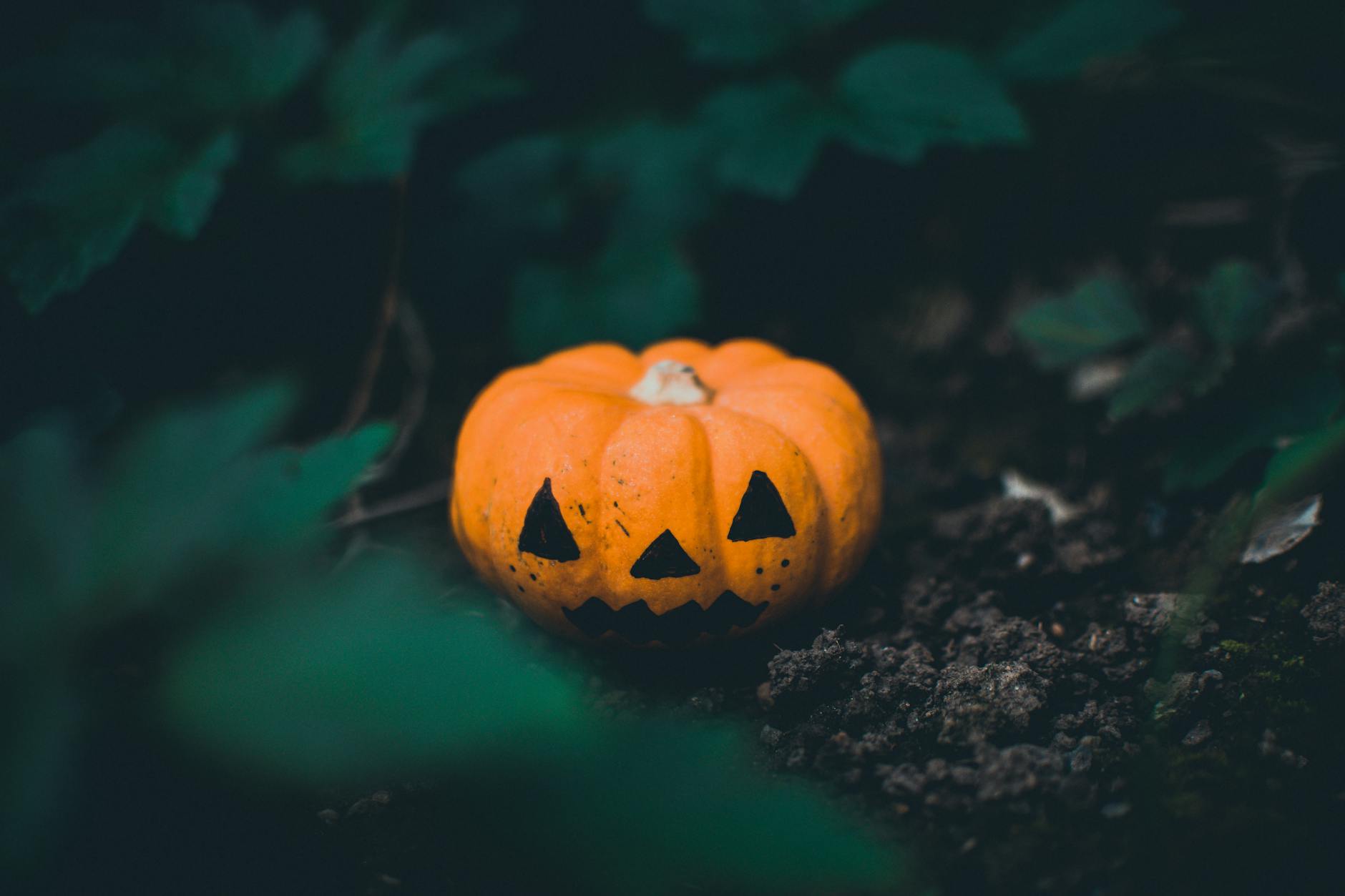
The jack-o’-lantern wasn’t always a pumpkin. It was a turnip. And the first time I dropped that on a room of thirty adults at a Halloween pub quiz, someone actually shouted “No it wasn’t” from the back. That’s how you know a question is working. The person was wrong, of course, but the conviction was beautiful.
I’ve been writing and hosting halloween trivia questions and answers for about a decade now, and here’s what I’ve learned: everyone thinks they know Halloween. They know the candy, they know the movies, they remember the costume that won the contest in 2014. But the actual history, the real numbers, the stuff hiding just beneath the surface of October 31st? That’s where the room gets quiet. That’s where people start second-guessing themselves. And that’s where the best questions live.
These 50 questions are built for a party, a game night, a classroom, or just you alone trying to prove something to yourself. Some are easy enough to keep everyone in the game. Some will start arguments. A few will genuinely surprise you. Let’s go.
The Ones That Feel Easy (Until They Don’t)
1. What was the original vegetable used to make jack-o’-lanterns in Ireland and Scotland?
I open with this one almost every year. Half the room gets it. The other half looks betrayed when they hear the answer. Irish immigrants brought the tradition to America and switched to pumpkins because, well, have you ever tried to carve a turnip? It’s miserable work.
Show Answer
Turnips (also accept rutabagas). Most people guess gourds or squash, which feels logical but misses the whole point of the origin story.
2. What does the word “Halloween” literally mean?
This is one of those questions where confident people lean back and say “evil night” or something dramatic. The truth is much more churchy than they expect.
Show Answer
“All Hallows’ Eve” , the evening before All Saints’ Day (November 1). “Hallow” means holy or saint. The name contracted over centuries from “All Hallows’ Even” to “Hallowe’en” to what we say now.
3. What country is widely credited as the birthplace of Halloween?
Americans sometimes claim it by sheer cultural force. But this one belongs to someone else entirely.
Show Answer
Ireland. The holiday evolved from the ancient Celtic festival of Samhain, and Ireland remains its spiritual homeland. Scotland has a strong claim too, but Ireland gets the nod in most historical accounts.
4. What is the name of the ancient Celtic festival that Halloween originated from?
If you got the last one, you probably caught this answer already. But I’ve watched people who know the word still butcher the pronunciation. It’s “SAH-win,” not “Sam-hane.”
5. In the United States, what is the top-selling Halloween candy?
This changes slightly year to year, but one brand has dominated for a long time now. And it’s not the one most people shout first.
Show Answer
Reese’s Peanut Butter Cups. The most common wrong answer is Snickers, which is the top-selling candy bar overall but consistently loses the Halloween-specific race to Reese’s.
6. What color cat is associated with Halloween superstition and bad luck?
I include a freebie like this every time. It keeps the people who are struggling from checking out entirely. Everyone deserves a moment.
7. Transylvania, the homeland of Dracula, is a real region in which country?
You’d be stunned how many people think Transylvania is fictional. Like, fully made up. Bram Stoker did that place dirty by making it sound like a fantasy land.
Candy Corn and Controversy
8. Candy corn was originally called what when it was first manufactured in the 1880s?
The original name is so much better. It tells you exactly what the marketing pitch was to farmers in the late 1800s.
Show Answer
“Chicken Feed.” The boxes even had a rooster on them. Corn was considered livestock food at the time, so calling candy “corn” was actually a selling point aimed at agricultural communities.
9. How many pounds of candy corn are produced in the United States each year , roughly 20 million, 35 million, or 50 million?
People always go low on this. Nobody wants to believe that much candy corn exists, because nobody wants to admit somebody’s eating it.
Show Answer
Approximately 35 million pounds. That’s about 9 billion individual kernels, which is a genuinely upsetting number if you’re in the anti-candy-corn camp.
10. What percentage of parents admit to sneaking candy from their kids’ Halloween haul , 50%, 72%, or 90%?
Every parent in the room gets very quiet during this one.
Show Answer
Approximately 72%, according to multiple surveys. The real number is almost certainly higher. Nobody’s confessing to the full extent of their crimes.
11. Americans spend roughly how much on Halloween each year , $5 billion, $8 billion, or $12 billion?
This number has climbed dramatically in the last decade. Yard inflatables alone could probably fund a small nation.
Show Answer
Over $12 billion in recent years. It’s the second-largest commercial holiday in the US after Christmas. That figure includes costumes, candy, decorations, and those 12-foot Home Depot skeletons that took over every neighborhood.
The Silver Screen and the Small Screen
12. In the movie “Halloween” (1978), what is the name of the masked killer?
Easy for horror fans. But I’ve had entire tables of people confuse him with Jason Voorhees. The masks blur together after enough sequels.
13. The mask worn by Michael Myers in the original “Halloween” was actually a modified mask of which famous person?
This is the question that makes people put their drinks down. The answer is so specific and so weird that it sounds made up.
Show Answer
William Shatner. The production bought a Captain Kirk mask, spray-painted it white, reshaped the eye holes, and teased out the hair. Shatner has said he’s flattered by it.
14. In “It’s the Great Pumpkin, Charlie Brown,” which character waits in the pumpkin patch for the Great Pumpkin?
A comfort-food question. The whole room says it together.
15. What does Charlie Brown keep getting instead of candy while trick-or-treating in that same special?
The saddest three words in holiday television.
Show Answer
Rocks. “I got a rock.” Every single house. The cruelty is breathtaking when you think about it as an adult.
16. In “Hocus Pocus” (1993), what are the names of the three Sanderson sisters?
People always get two out of three. It’s the middle sister that trips them up.
Show Answer
Winifred, Sarah, and Mary. Mary (played by Kathy Najimy) is the one people forget, which is criminal because she’s the funniest one.
17. In “The Nightmare Before Christmas,” what is the name of Jack Skellington’s ghost dog?
18. What 1984 movie features gremlins that multiply when exposed to water?
Not strictly a Halloween movie, but it shows up on every Halloween watchlist. And the rules for those creatures are burned into the brain of anyone who grew up in the ’80s.
Show Answer
“Gremlins.” The three rules: don’t expose them to bright light, don’t get them wet, and never feed them after midnight.
19. Which classic horror novel, published in 1897, introduced the world to Count Dracula?
Show Answer
“Dracula” by Bram Stoker
20. In “Beetlejuice,” how many times must you say his name to summon him?
Everyone knows this. But I love watching the room say it together. “Beetlejuice, Beetlejuice, Beetlejuice.”
The History Nobody Studied
21. Which pope established All Saints’ Day on November 1st, effectively absorbing Samhain into the Christian calendar?
This is a genuinely hard question and I don’t apologize for it. Sometimes a trivia night needs a question that nobody gets so the leading team stops feeling comfortable.
Show Answer
Pope Gregory III (in the 8th century). He designated November 1 as a day to honor all saints, and the evening before became All Hallows’ Eve.
22. The tradition of trick-or-treating in America became widespread in which decade?
People consistently guess earlier than the real answer. It feels like it should be ancient, but the American version is surprisingly recent.
Show Answer
The 1950s. While the practice existed in pockets before then, it became a mainstream, nationwide tradition in the post-war era. Sugar rationing during WWII had put a damper on it.
23. “Souling” and “guising” are medieval practices that evolved into what modern Halloween tradition?
Once you hear the connection, it’s obvious. But getting there on your own requires a small leap.
Show Answer
Trick-or-treating. “Souling” involved going door-to-door offering prayers for the dead in exchange for “soul cakes.” “Guising” added costumes and performances to the equation.
24. What U.S. city holds the record for the largest Halloween parade?
There’s only one real answer here, and if you’ve ever been, you already know.
Show Answer
New York City. The Village Halloween Parade in Greenwich Village draws around 50,000 participants and over 2 million spectators. It’s been running since 1974.
25. In which decade did UNICEF start its “Trick-or-Treat for UNICEF” campaign?
Show Answer
The 1950s (1950, specifically). It started in Philadelphia when a group of kids collected money for UNICEF instead of candy. The program has raised over $180 million since then.
26. Which U.S. state produces the most pumpkins?
I’ve seen fistfights over this one. Not literal fistfights. But close.
Show Answer
Illinois, by a wide margin. It produces roughly 40% of all U.S. pumpkins. People always guess Ohio or Pennsylvania, which aren’t even close.
Costumes, Creatures, and Things That Go Wrong
27. What has been the most popular adult Halloween costume in the United States for multiple recent years?
The answer rotates a bit year to year, but one costume has an absurd winning streak. And it’s the most low-effort option imaginable.
Show Answer
Witch. Year after year, it tops the list. It’s versatile, it’s easy, and you can spend anywhere from $5 to $500 on it. The runner-up is usually vampire or ghost.
28. What phobia is the fear of Halloween called?
The word itself sounds like something a Harry Potter character would cast.
Show Answer
Samhainophobia
29. What is the fear of spiders called?
This one’s here because it’s easy, it’s Halloween-adjacent, and after that last question, the room needs a win.
30. According to legend, if you see a spider on Halloween, what does it mean?
This one divides the room into people who know folklore and people who just want to kill the spider.
Show Answer
A deceased loved one is watching over you. Which is either comforting or horrifying, depending on your relationship with spiders and your deceased loved ones.
31. What creature from folklore is said to transform during a full moon?
32. How often does Halloween actually fall on a full moon?
Movies have trained us to think it happens every year. It does not.
Show Answer
Roughly every 18-19 years. The last one was in 2020, and the next won’t be until 2039. Every horror movie lied to you.
33. What do you call a group of witches?
34. In Scottish tradition, what were young women told they’d see in a mirror on Halloween night?
This is one of those old traditions that sounds like a horror movie premise. It basically was.
Show Answer
The face of their future husband. If they saw a skull instead, it meant they would die before marrying. Wholesome entertainment in 18th-century Scotland.
The Ones That Start Arguments
35. Is “The Nightmare Before Christmas” a Halloween movie or a Christmas movie?
I’m not giving you an answer on this one because there isn’t one. I’m including it because every Halloween trivia night needs a question that turns into a five-minute debate. Award a point to any team that makes a compelling argument. Watch the chaos unfold.
Show Answer
Both. Tim Burton has said it’s a Halloween movie. Henry Selick (who directed it) has been more ambiguous. Disney originally released it under their Touchstone Pictures label in October. But it literally features Christmas as a central plot element. Give the point to whoever yells loudest.
36. What year was the first known use of the phrase “trick or treat” in print in North America?
People guess the 1800s. Or the 1960s. Almost nobody lands in the right zone.
Show Answer
1927, in a newspaper in Blackie, Alberta, Canada. The American usage in print came a few years later. The phrase is younger than most people assume.
37. What is the world record for the fastest pumpkin carving?
Give people a range: under 30 seconds, under 1 minute, or under 5 minutes.
Show Answer
Under 17 seconds, set by Stephen Clarke. He carved a complete face with eyes, nose, mouth, and ears. Most people guess around a minute, which tells you how slowly they carve pumpkins.
38. What common Halloween activity was originally a courting ritual?
The answer makes total sense once you hear it. Two people, faces close together, an excuse to get wet.
Show Answer
Bobbing for apples. In the original version, each apple was assigned to a potential suitor. The apple you bit into supposedly predicted who you’d marry.
39. What is a “vampire pumpkin” in Romani folklore?
This is one of my favorite pieces of Halloween trivia because it sounds completely ridiculous and it’s completely real.
Show Answer
A pumpkin left out for more than 10 days was believed to become a vampire. It would roll around on the ground, growling and causing trouble. It could not, however, do much actual harm, because it was still a pumpkin.
40. In Mexico, Día de los Muertos (Day of the Dead) is celebrated on which dates?
People conflate this with Halloween constantly. It’s a related but distinct celebration, and the dates matter.
Show Answer
November 1 and 2. November 1 (Día de los Inocentes) honors children who have died, and November 2 (Día de los Muertos) honors adults. It’s not Mexican Halloween, and calling it that will rightfully annoy people.
Deeper Into the Dark
41. What classic monster was inspired by a real medical condition called porphyria?
The connection between the disease and the legend is genuinely eerie. Sensitivity to sunlight, receding gums that make teeth look elongated, aversion to garlic.
Show Answer
Vampires. Porphyria causes extreme sensitivity to sunlight, and some forms cause the gums to recede, giving the appearance of fangs. It’s one of several medical explanations proposed for vampire legends.
42. What Halloween tradition involves hanging a piece of fruit from a string and trying to eat it without using your hands?
Show Answer
Snap Apple (or the “Snap Apple” game). It’s a traditional Irish and British Halloween game, and October 31 was sometimes called “Snap Apple Night” in parts of England.
43. The Salem witch trials took place in which year?
This gets asked at every Halloween trivia night and people still miss it. The 1600s are a blur for most Americans.
Show Answer
1692. Common wrong answers include 1792 and “the 1700s.” People tend to push it a century forward.
44. How many people were executed during the Salem witch trials?
The number is both smaller and more specific than people expect.
Show Answer
20 people (19 by hanging, 1 by pressing with heavy stones). Over 200 were accused. The number feels low to people who picture a massive bonfire, but every single one of those deaths was real and documented.
45. What is a “corpse flower,” and why does it show up in Halloween conversations?
Show Answer
The titan arum (Amorphophallus titanum) is called the corpse flower because it smells like rotting flesh when it blooms. It only blooms every 7-10 years, and when it does, botanical gardens throw viewing parties that feel distinctly Halloween-adjacent.
46. What was the first city in the United States to throw an official citywide Halloween celebration?
This one rewards people who know their early 20th-century civic history, which is a very small group of people.
Show Answer
Anoka, Minnesota, which held its first Halloween celebration in 1920 and calls itself the “Halloween Capital of the World.” They started the tradition to keep kids from tipping over outhouses and causing property damage. Problem-solving at its finest.
47. What common household item were people in 18th-century Ireland told to place outside their doors on Halloween to ward off evil spirits?
Show Answer
A candle in a hollowed-out turnip (the precursor to the jack-o’-lantern). Salt was also commonly used. The turnip lantern was meant to guide good spirits and frighten evil ones.
48. What is the name of the legendary figure who was supposedly too clever for the Devil and too sinful for Heaven, doomed to wander the earth with only a carved turnip to light his way?
This is the origin story of the jack-o’-lantern, and it’s genuinely a great story. The kind of thing that makes the answer to question one land even harder in retrospect.
Show Answer
Stingy Jack (or Jack of the Lantern). According to Irish legend, Jack tricked the Devil twice, and when he died, neither Heaven nor Hell would take him. The Devil gave him a burning coal, which Jack placed inside a carved turnip. He’s been wandering ever since.
The Last Two You’ll Remember
49. What beloved children’s author wrote a Halloween-themed book in which a character says, “Where the wild things are”?
People jump to call it a Halloween book, and it’s not, technically. But Maurice Sendak’s monsters in costumes and the story’s themes of wildness and the dark have made it a Halloween staple in classrooms for decades. The question is really about what we’ve collectively decided counts as Halloween.
Show Answer
Maurice Sendak. “Where the Wild Things Are” was published in 1963. It’s not set on Halloween, but Max’s wolf costume and the wild rumpus have made it inseparable from October in the minds of millions of kids and the adults they became.
50. According to an old Irish superstition, if you hear footsteps behind you on Halloween night, what should you absolutely not do?
I close with this one every time I run a Halloween round. The room goes quiet. People lean in. And when they hear the answer, there’s this brief, involuntary pause where everyone imagines themselves walking home tonight, hearing something behind them, and having to decide. That pause is the whole point of Halloween, really. The moment before you know. The space between the question and the answer where anything might be true.
Show Answer
You should not turn around. The belief was that the dead walked on Halloween night, and turning to look at them would invite them to follow you home. You were supposed to keep walking, eyes forward, until you reached your door. Sweet dreams.
General knowledge is the hardest round to write because it has to be genuinely broad. I've been at it for 5 years from Denver, CO and I still approach every question like I'm writing for a room full of different people, because I am. I've written for JetPunk trivia, and I take the same care with every set I write.
Latest posts by Robert Taylor
(see all)