30 Thanksgiving Trivia Facts That Will Start Arguments at Your Dinner Table
Most people think they know Thanksgiving. They remember the Pilgrims, the turkey, maybe a parade float or two. These 30 questions are built to prove otherwise.

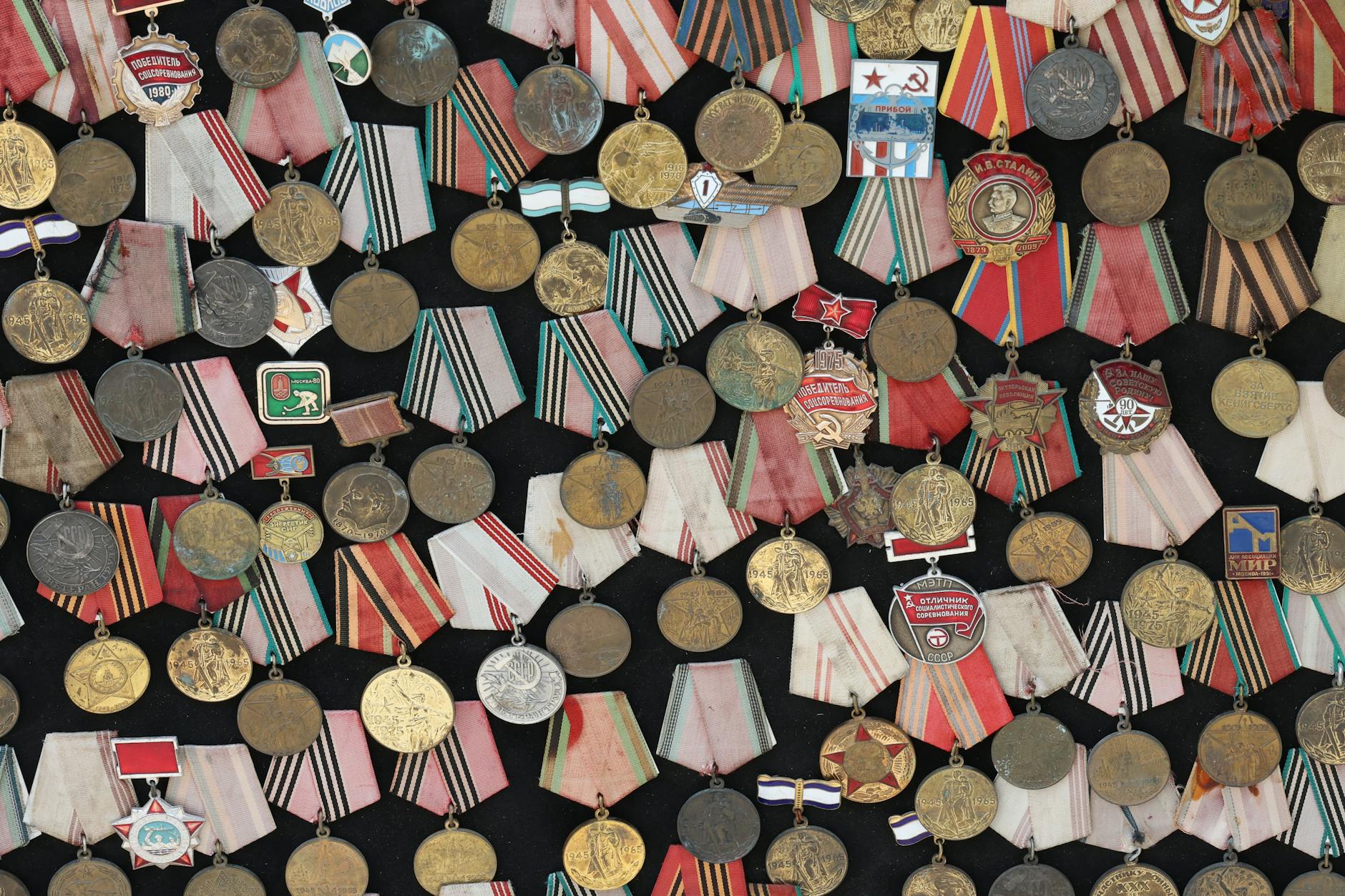
The longest-serving sniper in US military history had over 2,100 days in combat across multiple deployments, and almost nobody gets that question right because everyone’s brain goes straight to Chris Kyle. That’s the thing about military trivia questions. People walk in with confidence borrowed from movies and documentaries and half-remembered History Channel marathons, and the questions that actually land are the ones that exploit the gap between what we think we absorbed and what we actually know.
I’ve run military rounds for rooms full of veterans who couldn’t name the war that gave us the Geneva Conventions, and for tables of college kids who somehow knew the NATO phonetic alphabet cold. The topic attracts a specific kind of player: someone who’s sure they know more than the person sitting next to them. That energy is useful. These 50 military trivia questions are designed to channel it.
1. What branch of the US military is the oldest?
Every table has someone who says Navy. Every single time. The confidence is almost beautiful.
2. What does the “D” in D-Day stand for?
This one generates more wrong answers than almost any military trivia question I’ve ever asked. People will fight you on this.
3. What war was the first to be widely photographed?
The answer is older than most people expect, and it usually splits a room right down the middle.
4. How many stars does a US General of the Army wear?
People either know this instantly or start doing math in their heads and arrive somewhere wrong.
5. What country has the largest active-duty military in the world?
The two answers people shout are always the same two countries. One of them is right.
6. What was the code name for the Allied invasion of North Africa in 1942?
Code names are trivia gold because they sound like they should mean something but often don’t, and your brain fills in whatever feels right.
7. Who was the only US president to hold the rank of five-star general?
This one plays well because people start counting on their fingers and mumbling names.
8. What German field marshal was known as the “Desert Fox”?
One of those questions where knowing the answer makes you feel like you’ve watched the right documentaries.
9. What US general famously said, “I shall return,” after leaving the Philippines in 1942?
The quote is so famous it’s almost a cliché, but I’ve watched people attribute it to at least four different generals.
10. What Carthaginian general crossed the Alps with war elephants to attack Rome?
Everyone gets this right. But ask them which war it was part of and the room goes quiet.
11. What was the longest war the United States has been involved in?
This used to be a trick question. Now it’s just a fact that makes people uncomfortable.
12. What treaty ended World War I?
Straightforward, but the number of people who confidently say “Geneva Convention” would alarm you.
13. What was the code name for the development of the atomic bomb during World War II?
If you’ve seen a single WWII documentary made after 1990, you’ve heard this name.
14. In what year did the Berlin Wall fall?
People born after it happened tend to be off by about five years in either direction. People who watched it on TV get it instantly.
15. What battle is considered the turning point of the Pacific Theater in World War II?
Two answers get shouted every time. The one that’s wrong is Iwo Jima.
16. What was the first war in which the United States used helicopters extensively in combat?
The answer feels obvious. It’s not wrong. But there’s a predecessor that trips people up when you phrase it differently.
17. What does AWOL stand for?
Everyone uses this word. Not everyone can spell it out.
18. What country did the US invade in Operation Just Cause in 1989?
Operation names are the best kind of trivia because they sound made up even when they’re real. This one sounds especially made up.
19. What was the deadliest single day in American military history?
People’s first instinct is D-Day. Their second instinct is better.
20. What was the name of the defense line built by France along its border with Germany before World War II?
Knowing the name is the easy part. Knowing why it failed is the part that starts conversations.
21. What was the name of the B-29 bomber that dropped the first atomic bomb on Hiroshima?
One of the most asked military trivia questions in existence, and it still catches people. The pilot named it after his mother.
22. What type of ship was the USS Monitor, famous from the Civil War?
If you say “ironclad,” you’re right. If you can name what made it different from every warship before it, you’re actually paying attention.
23. What does the “F” stand for in F-16?
This is the kind of question that makes someone feel brilliant or foolish, with no middle ground.
24. What was the first military submarine to sink a warship in combat?
This answer is from the Civil War, and the submarine sank too. There’s something poetic in that.
25. What is the largest military aircraft carrier in the world by displacement?
The class name is what I’m looking for. People who know naval stuff light up at this one.
26. What World War II tank was the most widely produced by the United States?
The name sounds like it belongs to a Civil War general. That’s because it does.
27. What was the first jet-powered fighter aircraft to enter military service?
People assume American. They’re wrong by about two years and an ocean.
28. What country was the first to use poison gas on a large scale in World War I?
Everyone says Germany. And they’re right, but the confidence wavers when you ask them to commit.
29. How many Purple Hearts were manufactured in anticipation of the US invasion of Japan in 1945?
The number is so large it sounds made up. It’s one of those facts that reframes an entire war.
30. What was the only country to be invaded by both the Allies and the Axis powers during World War II?
This one requires a specific kind of lateral thinking. Most people never consider it.
31. What was the shortest war in recorded history?
The duration is the punchline. I always pause before reading the answer because people need a second to process it.
32. What neutral country was accidentally bombed by both the Allies and the Axis during World War II?
Switzerland gets guessed a lot. And the guessers aren’t wrong.
33. What military conflict is sometimes called “The Forgotten War”?
The nickname tells you everything about how America processes its history.
34. What was the last country to officially abolish its military?
People always guess Costa Rica. They’re not wrong that Costa Rica doesn’t have one, but they’re wrong about the timing.
35. What battle in 480 BC saw 300 Spartans hold a narrow pass against a massive Persian army?
Thanks to a certain movie, this might be the most well-known ancient battle among people under 40.
36. What was the primary weapon of the English longbowman at the Battle of Agincourt in 1415?
The question answers itself. But the reason it matters is what the longbow did to the concept of armored cavalry.
37. What ancient military formation consisted of soldiers standing shoulder to shoulder with overlapping shields and long spears?
If you’ve played any strategy game ever made, this word is burned into your brain.
38. What Mongol leader built the largest contiguous land empire in history?
Easy question. But the scale of what he built is the part that doesn’t fit in anyone’s head.
39. What is the highest rank in the US Army?
Five-star general is the answer people give. But there’s a rank above it, and it’s only ever been held by one person retroactively.
40. What international agreement established rules for the treatment of prisoners of war?
People know the name. They rarely know there were four of them.
41. In NATO’s phonetic alphabet, what word represents the letter “T”?
People who know the phonetic alphabet can rattle off the whole thing. People who don’t always guess “Tom” or “Tango.” One of those is right.
42. What does SEAL stand for in Navy SEALs?
Most people get Sea and Air. The middle one is where they stumble.
43. What is the minimum age to enlist in the US military without parental consent?
This one hits differently depending on who’s in the room.
44. What was the name of the US military’s plan for a nuclear first strike against the Soviet Union in the early 1960s?
The fact that this had a name at all tends to land heavily in a room.
45. What event in 1983 saw a Soviet officer decide NOT to report a missile warning, likely preventing nuclear war?
One man. One decision. The fact that most people have never heard his name is something I think about a lot.
46. What was the name of the US military operation that attempted to rescue American hostages in Iran in 1980?
The name sounds hopeful. The outcome was anything but.
47. What wall divided communist East Berlin from West Berlin?
I include this one because it’s the easiest question in the set, and after a few hard ones, a room needs to breathe. Everybody gets this. Everybody feels good for a second.
48. What was the only time in history that nuclear weapons were used in warfare?
Everyone knows Hiroshima. The question is whether they remember both cities.
49. What military alliance was formed in 1955 as the Soviet counterpart to NATO?
The name comes from where the treaty was signed. If you can picture a map of Eastern Europe, you might get there.
50. During World War II, what was the name of the network of routes over the eastern Himalayas that supplied China after Japan cut off the Burma Road?
I save this one for last because it’s genuinely hard, and the answer carries weight. The pilots who flew this route called it the most dangerous sustained air operation of the war. More planes were lost on this supply route than in many actual combat campaigns. Over 1,000 men and 600 aircraft disappeared into those mountains. And when you say the answer out loud, it sounds almost casual for something that cost so much. That contrast is what makes it stick.

Most people think they know Thanksgiving. They remember the Pilgrims, the turkey, maybe a parade float or two. These 30 questions are built to prove otherwise.
Presidents have been attacked by rabbits, gotten stuck in bathtubs (maybe), and skinny-dipped in the Potomac before breakfast. These 75 funny presidential trivia questions prove the highest office in the land has never been normal.
Most people remember history as a highlight reel of names and dates. These 75 world history trivia questions target the gaps between what you learned and what actually happened.
Most people can name the same five figures without blinking. These 100 Black History Month trivia questions start where that confidence ends and keep going.