60 Trivia Questions for Adults That Will Start Arguments and Settle Nothing
These aren't the trivia questions you half-remember from a bar menu. They're the ones that make someone slam a table and say 'no way' before you've even revealed the answer.
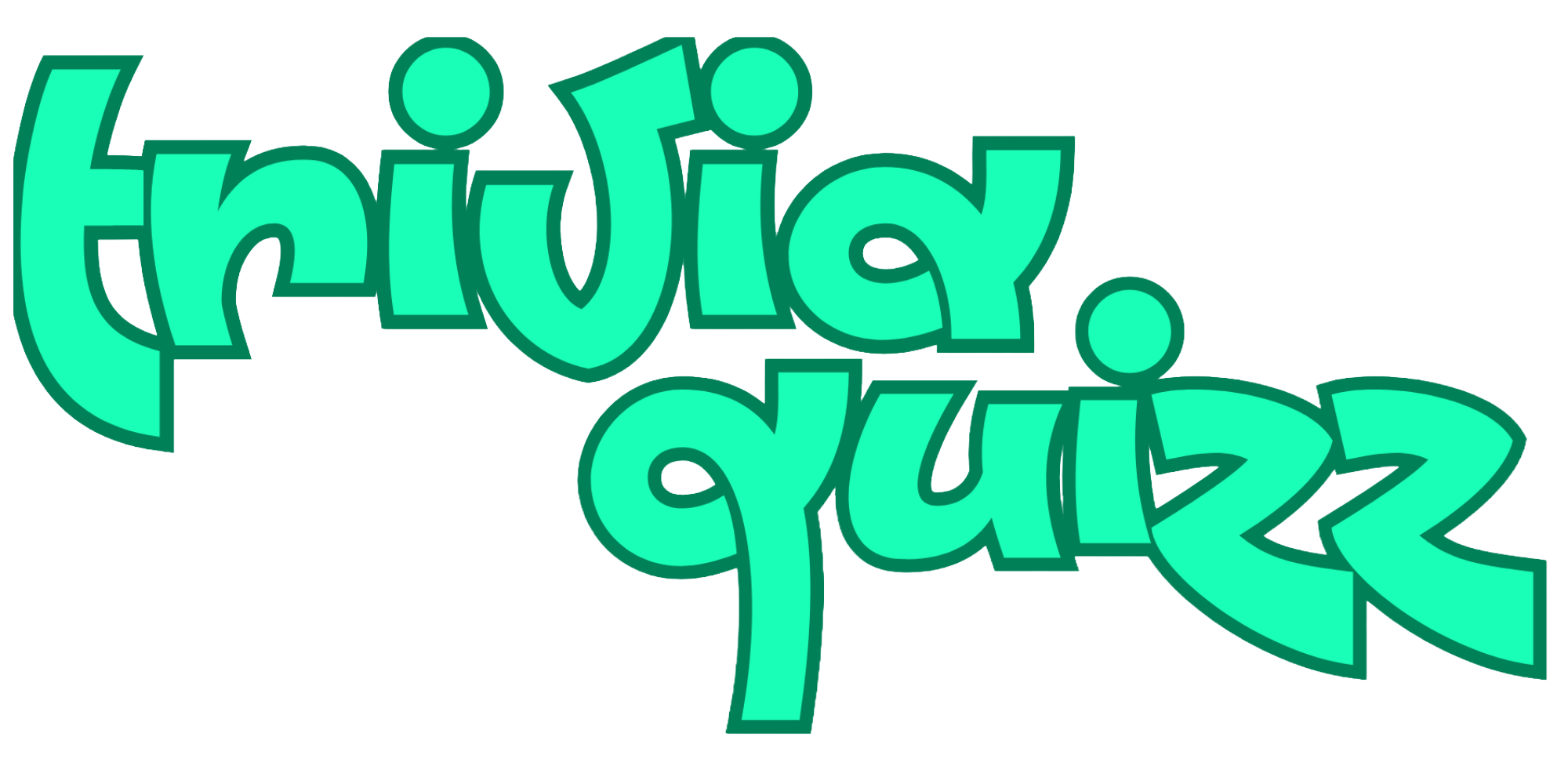
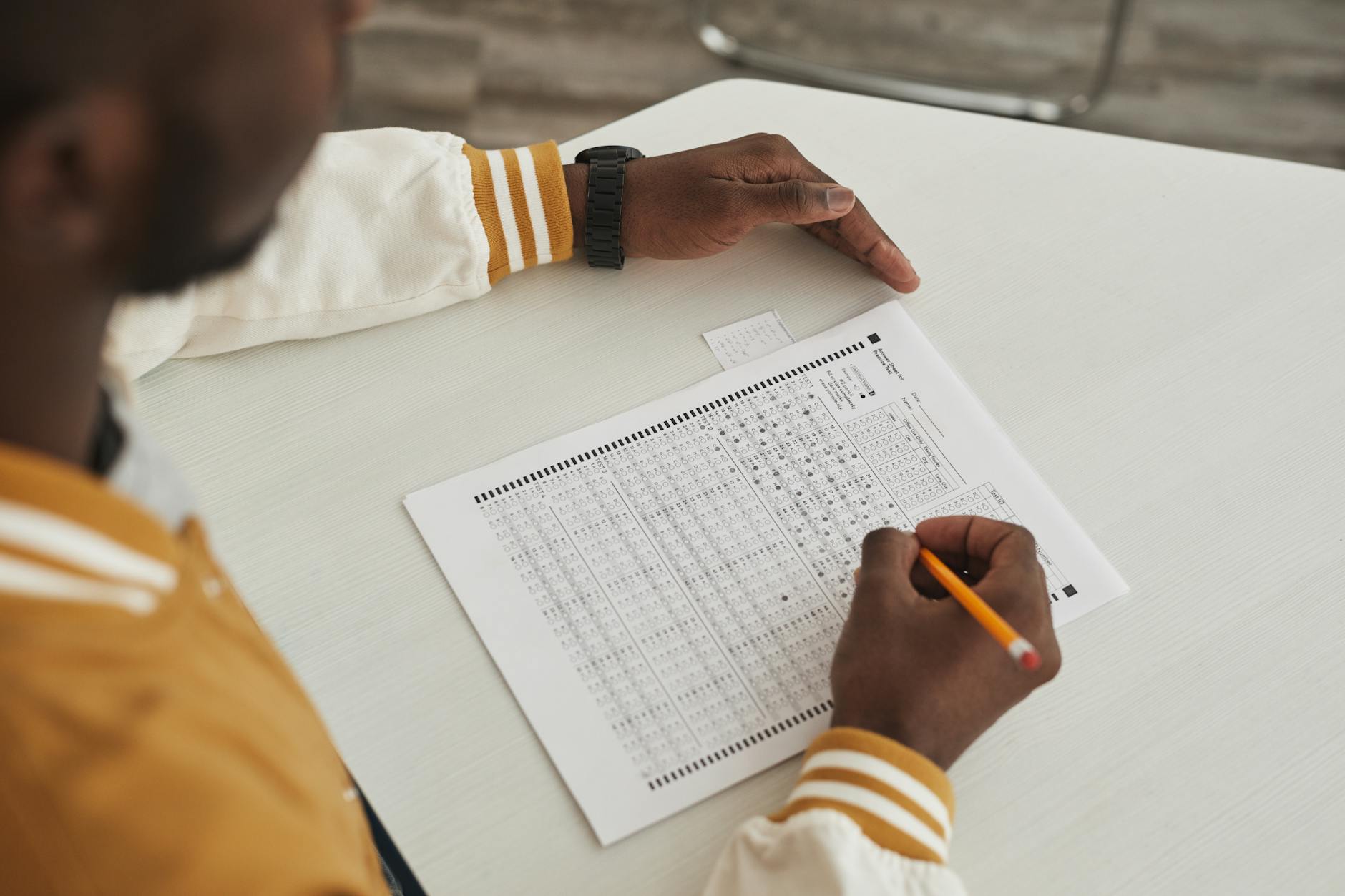
The letter C gets picked more than any other option on standardized tests. Not because C is right more often. It’s because when humans don’t know the answer, they drift toward the middle of the alphabet like it’s some kind of neutral territory. I’ve watched this happen in real time at trivia nights: people who have no idea will mouth “C” to their teammates like it’s a prayer. The multiple choice format doesn’t make trivia easier. It makes it more dangerous. Because now you’ve got three wrong answers whispering that they might be right.
These 40 multiple choice trivia questions are built to exploit that. Some of them have decoy answers so convincing that tables full of smart people have picked them unanimously. Some are gentler than they look. And a few are the kind where you’ll know the answer instantly, then talk yourself out of it before you finish reading option D.
1. What is the largest organ in the human body?
A) Liver
B) Brain
C) Skin
D) Large intestine
I open with this one a lot because it sorts the room. The people who say it confidently get a little suspicious of themselves. The people who hesitate between A and C are the ones who’ll have a great night.
2. Which planet in our solar system has the most moons?
A) Jupiter
B) Saturn
C) Uranus
D) Neptune
This answer has actually changed in the last few years, and it catches people who memorized the old fact.
3. In what year did the Titanic sink?
A) 1910
B) 1912
C) 1914
D) 1916
This is a gimme for most rooms. But I include it because the next few questions aren’t, and people need to feel smart before I take that away.
4. What does the “HTTP” in a website address stand for?
A) HyperText Transfer Protocol
B) High-Tech Transfer Process
C) HyperText Transmission Platform
D) Home Tool Transfer Protocol
Everyone’s typed it ten thousand times. Knowing what it stands for is a different thing entirely.
5. Which of these countries has the longest coastline in the world?
A) Australia
B) Indonesia
C) Canada
D) Russia
This is where the overconfident geography person at the table starts talking. Let them.
6. What is the smallest bone in the human body?
A) Stapes
B) Incus
C) Malleus
D) Phalanx
Three of these options are in your ear right now. One is in your finger. The question is whether you remember which ear bone is the tiny one.
7. Which artist painted “The Persistence of Memory,” the one with the melting clocks?
A) Pablo Picasso
B) Salvador Dalí
C) René Magritte
D) Frida Kahlo
I describe the painting in the question because half the room won’t recognize the title. The second they hear “melting clocks,” their face changes.
8. How many hearts does an octopus have?
A) 1
B) 2
C) 3
D) 4
Animal anatomy questions are great because people either know or they’re just vibing with a number that feels right.
9. What is the official language of Brazil?
A) Spanish
B) Portuguese
C) Brazilian
D) French
I’ve seen grown adults pick A with their whole chest. This is a litmus test disguised as a question.
10. In which decade was the first email sent?
A) 1960s
B) 1970s
C) 1980s
D) 1990s
People anchor to when they first used email and work backwards from there. That’s almost always wrong.
11. Which of these elements is a noble gas?
A) Nitrogen
B) Chlorine
C) Neon
D) Hydrogen
If you paid any attention in chemistry, this is free points. If you didn’t, every single one of these sounds like it could be noble.
12. What is the capital of Australia?
A) Sydney
B) Melbourne
C) Canberra
D) Brisbane
This is arguably the most famous trick geography question in the entire trivia canon. And it still works every single time.
13. Which vitamin is produced when human skin is exposed to sunlight?
A) Vitamin A
B) Vitamin B12
C) Vitamin C
D) Vitamin D
Most people get this one. But I’ve learned never to underestimate how many people will pick C because they associate “C” with health in general.
14. In the original “Monopoly” board game, what color is the most expensive property group?
A) Green
B) Dark Blue
C) Red
D) Yellow
Everyone’s played Monopoly. Fewer people have actually looked at the board carefully enough to answer this without hesitating.
15. What percentage of the Earth’s water is fresh water?
A) About 3%
B) About 10%
C) About 25%
D) About 50%
This one makes people uncomfortable. The answer is smaller than almost anyone guesses.
16. Who wrote the novel “1984”?
A) Aldous Huxley
B) George Orwell
C) Ray Bradbury
D) H.G. Wells
Huxley and Orwell get swapped more than any other pair of authors in trivia. They were writing about similar fears at similar times, and the brain merges them.
17. What is the hardest natural substance on Earth?
A) Quartz
B) Topaz
C) Diamond
D) Corundum
A straightforward one to let the room breathe. But corundum catches some eyes.
18. Which country gifted the Statue of Liberty to the United States?
A) England
B) France
C) Italy
D) Spain
Americans should know this. Many do. But I’ve seen enough wrong answers to know that “should” doesn’t mean “do.”
19. In what year did the Berlin Wall fall?
A) 1987
B) 1989
C) 1991
D) 1993
People mix this up with the dissolution of the Soviet Union, which was 1991. The wall came down first. That two-year gap trips up more people than you’d expect.
20. Which of these is NOT one of the five senses traditionally taught in schools?
A) Touch
B) Taste
C) Balance
D) Smell
The word “traditionally” is doing heavy lifting here. Humans actually have way more than five senses, but that’s a different argument for a different night.
21. What is the most spoken language in the world by total number of speakers?
A) Mandarin Chinese
B) English
C) Spanish
D) Hindi
This one depends on whether you count native speakers only or include second-language speakers. I specify “total” for a reason, and it still starts arguments.
22. How many time zones does Russia span?
A) 7
B) 9
C) 11
D) 13
People know Russia is big. They just don’t know how big “big” actually is when measured in time.
23. Which of these animals sleeps the most per day?
A) Cat
B) Koala
C) Sloth
D) Brown bat
Everyone wants to say sloth. The sloth’s entire brand is laziness. But branding isn’t science.
24. What is the longest river in the world?
A) Amazon
B) Nile
C) Yangtze
D) Mississippi
There’s an ongoing scientific debate about this, and I love using it because both A and B people feel righteous.
25. Which of these was invented first?
A) Bicycle
B) Can opener
C) Tin can
D) Matches
This question is a timeline trap. One of these things was invented decades before the tool you’d assume came with it.
26. What color is a giraffe’s tongue?
A) Pink
B) Blue
C) Purple/Black
D) Red
If you’ve been to a zoo and fed a giraffe, you know this instantly. If you haven’t, you’re guessing, and your guess is almost certainly wrong.
27. Which planet rotates on its side, essentially rolling around the sun?
A) Neptune
B) Venus
C) Uranus
D) Saturn
Uranus questions always get a laugh. That’s just the reality of hosting trivia. But the actual answer here is genuinely strange.
28. How many paintings did Vincent van Gogh sell during his lifetime?
A) 0
B) 1
C) 7
D) Over 100
The myth and the truth are close enough here that the myth persists. But they’re not the same.
29. What is the only U.S. state that has a one-syllable name?
A) Maine
B) Ohio
C) Iowa
D) Utah
I’ve watched people mouth every state they can think of after this question. It’s beautiful.
30. What is the chemical symbol for gold?
A) Go
B) Gd
C) Au
D) Ag
Au and Ag get swapped constantly. One is gold, one is silver, and the Latin roots are just far enough from English to create permanent confusion.
31. Which of these is the only mammal capable of true sustained flight?
A) Flying squirrel
B) Sugar glider
C) Bat
D) Colugo
The word “true” is doing the work. Gliding isn’t flying. People know this intellectually but still hesitate.
32. In what country would you find Machu Picchu?
A) Colombia
B) Bolivia
C) Peru
D) Ecuador
A bucket-list question. People who’ve been there nail it. People who haven’t sometimes drift to Bolivia because they associate the Andes with it.
33. What does DNA stand for?
A) Deoxyribonucleic Acid
B) Dinitrogen Acid
C) Deoxyribose Nucleic Acid
D) Dynamic Nucleic Arrangement
Options A and C are close enough to make this genuinely tricky. The difference is one word.
34. Which of these Shakespeare plays is NOT a tragedy?
A) Hamlet
B) Othello
C) The Tempest
D) Macbeth
If you’ve read even one Shakespeare play, you’ve got a shot. If you haven’t, the titles all sound equally dramatic.
35. Which organ in the human body produces insulin?
A) Liver
B) Kidney
C) Pancreas
D) Gallbladder
People with diabetes in the room get this instantly. Everyone else is somewhere between B and C.
36. What is the only continent with no active volcanoes?
A) Europe
B) Australia
C) Antarctica
D) Africa
This one is sneaky because people forget about Mount Erebus.
37. How many bones does an adult human have?
A) 186
B) 206
C) 226
D) 256
This is one of those numbers that people either have memorized from school or they’ve completely forgotten. There’s no in-between.
38. Which of these deserts is the largest in the world?
A) Sahara
B) Arabian
C) Gobi
D) Antarctic
I save this one for late in the night because it punishes assumptions. A desert is defined by precipitation, not by sand.
39. What is the most commonly broken bone in the human body?
A) Wrist (radius)
B) Collarbone (clavicle)
C) Ankle
D) Nose
Everyone at the table who’s broken a bone will immediately vote for whatever they broke. That’s not how statistics work, but it’s how humans work.
40. On a standard multiple choice test with four options (A, B, C, D), which letter is statistically chosen most often by test-takers who are guessing?
A) A
B) B
C) C
D) D
I end with this one because it turns the entire format back on itself. You’ve just answered 39 multiple choice trivia questions, and now the question is about the act of choosing. Everyone in the room suddenly becomes aware of their own hand, their own instinct, the letter they were about to circle before they even finished reading. And that pause, that tiny moment of self-awareness, is the whole reason multiple choice works as a format. It doesn’t test what you know. It tests what you do when you’re not sure.

These aren't the trivia questions you half-remember from a bar menu. They're the ones that make someone slam a table and say 'no way' before you've even revealed the answer.
Fifty trivia questions with answers, sequenced the way a real quiz night builds , from the ones that warm you up to the one that splits the room. Every answer earns a second look.
The best multiple choice trivia doesn't just test what you know , it tests what you almost know. These 30 questions are built so the wrong answers feel just right enough to ruin your night.
You sat through four years of classes, wrote the essays, passed the tests. These 50 high school trivia questions find out what actually survived the graduation ceremony.